
How to choose an eco-friendly travel bag for smarter packing
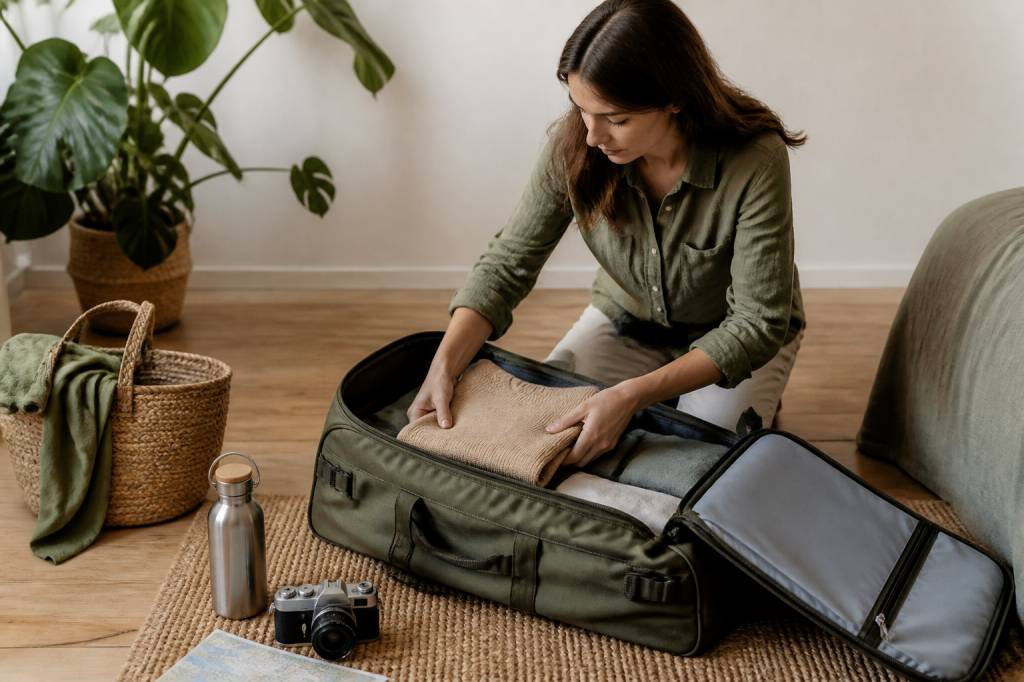
How to choose an eco-friendly travel bag for smarter packing
Choosing an eco-friendly travel bag is not just about looking good at the airport. It is about packing smarter, carrying less stress, and making better buying decisions. If you travel often, the right bag can save space, protect your gear, and last for years. If you pick badly, you end up with broken zips, awkward straps, and a bag that looks tired after two trips. Not ideal.
The good news is that sustainable travel bags have improved a lot. Today, you can find options made from recycled materials, organic fabrics, and durable components designed to reduce waste over time. The key is knowing what to look for. Here is a practical guide to help you choose a bag that is kind to the planet and genuinely useful for travel.
Start with how you actually travel
Before you look at materials or brand claims, think about your travel style. A bag that works for a weekend city break may be useless for a two-week road trip. The most eco-friendly choice is often the one you will use again and again, because long-lasting products reduce replacement waste.
Ask yourself a few simple questions:
If you usually travel light, a compact backpack or duffel may be enough. If you carry work items, a structured backpack with laptop protection will be more practical. If you are the type who packs three pairs of shoes for a two-night trip, a larger holdall with strong handles and organised compartments may serve you better. The “best” eco bag is the one that fits your habits, not the one with the prettiest marketing photo.
Check the materials first
Materials make the biggest difference in both sustainability and durability. A bag made from the right fabric can last for years, while a cheap-looking eco label means very little if the stitching gives up after a few uses.
Useful materials to look for include:
Recycled polyester is common in travel bags because it is strong, relatively lightweight, and easy to clean. Recycled nylon can be even tougher, which matters if your bag gets shoved into overhead lockers, car boots, or train luggage racks. Organic cotton can be a good option for casual totes or weekend bags, but it is not always the best choice if you need weather resistance.
One useful detail: a bag made from a sustainable fabric is not automatically sustainable overall. If the bag uses weak zips, cheap foam, or plastic-heavy trims that fail quickly, its lifespan drops fast. That is why construction matters just as much as the fabric.
Look for durability, not just eco claims
A travel bag is only truly eco-friendly if it lasts. Replacing a bag every year creates more waste than buying one well-made model and using it for a long time. In practical terms, durability is often the most important sustainability feature.
Pay attention to these points:
If you can inspect the bag in person, test the straps and zips. Pull the handles. Open every pocket. Look inside the seams. If something feels thin or rattly, it probably will not improve with time. A bag should feel ready for real travel, not just for a product photo.
For online shopping, check customer reviews carefully. Look for comments about long-term use, not only first impressions. A bag may look great on day one, but the real test is how it performs after repeated journeys, heavy packing, and a bit of rain.
Choose the right size for smarter packing
Eco-friendly packing starts with packing less. A bag that is too large encourages overpacking, which usually means extra weight and more stress. A bag that is too small leads to cramming, creasing, and the temptation to buy more storage accessories than you need.
Think about your regular trip length and pack style. For example:
The smartest choice is the bag that encourages efficient packing. If you know a weekend trip only needs one pair of shoes, a few layers, and basic toiletries, buy a bag that fits that reality. Oversized luggage often becomes a dumping ground for unnecessary extras.
A useful trick: lay out what you usually take on a trip before buying. If the bag is much bigger than that pile, think twice. Extra empty space often leads to extra clutter.
Prioritise a practical design
Eco-friendly does not mean awkward. A good travel bag should make packing easier, not harder. Smart design helps you stay organised, reduce forgotten items, and avoid buying separate pouches for everything.
Features worth looking for include:
Organisation matters because it saves time. At security, you do not want to dig for a charger in the middle of a queue. In a hotel room, you do not want your socks mixed with your headphones. A good layout means less packing frustration and fewer small containers bought to “fix” a poor design.
That said, avoid over-designed bags with too many compartments. They can look clever, but they sometimes add weight and complexity. The sweet spot is simple, functional, and easy to use.
Check the brand’s sustainability claims carefully
Not every eco label means much. Some brands use vague terms such as “green,” “conscious,” or “planet-friendly” without giving real details. It is worth spending a few extra minutes checking what those claims actually mean.
Look for brands that provide clear information about:
Transparency is a good sign. If a company tells you exactly what the bag is made from, where it was produced, and how it is designed to last, that is far more useful than a polished slogan. If the details are hidden, the claim may not be as strong as it sounds.
It also helps to check whether the brand offers spare parts, repairs, or a decent warranty. A zip repair or strap replacement can extend the life of a bag by years. That is far better than throwing it away because one small part failed.
Think about repairability and end-of-life options
A truly eco-friendly travel bag should be easy to maintain and, eventually, easy to recycle or repurpose. This is not always top of mind when shopping, but it matters more than people think.
Useful questions to ask include:
A simple design is usually easier to repair. A bag with one main fabric and a few solid components often ages better than a highly technical model with lots of glued-on parts. If you want your bag to last, think long term from the start.
Balance weight with strength
Lightweight bags are tempting, especially if you fly often and want to stay within baggage limits. But very light does not always mean better. If a bag feels featherweight because it uses thin fabric and weak hardware, you may pay for that later.
The best option is a bag that feels sturdy without being unnecessarily heavy. Recycled materials can sometimes weigh a little more than ultra-cheap synthetics, but they often make up for it with better structure and lifespan. In travel, that trade-off is usually worth it.
If you can, compare the empty weight of a few bags. Then imagine adding a laptop, shoes, toiletries, and a jacket. A sensible bag should still be comfortable to carry once it is full. If the straps dig in before you even leave the hotel, it is not the right fit.
Choose colours and finishes that age well
This may sound minor, but it matters. A bag that looks good after repeated use is more likely to stay in circulation. Neutral colours such as black, navy, olive, grey, or tan tend to age better and work with different outfits and travel styles.
Darker finishes often hide scuffs more effectively. Textured fabrics can also disguise marks better than smooth ones. If you travel a lot, this helps your bag stay presentable for longer, which can reduce the urge to replace it for cosmetic reasons.
Bright colours can be fun, of course. They are easier to spot on a luggage rack and can add personality. But if you want one bag to serve many trips, a timeless colour often makes more sense.
Match the bag to the trip, not the trend
It is easy to get drawn in by stylish travel gear. A sleek backpack or minimalist duffel can look very appealing. But the smartest eco-friendly choice is the one that fits your real travel needs.
For example:
If you are heading to a place with cobbled streets, stairs, or public transport changes, a bag you can carry comfortably will be more practical than a wheeled option. If you are mostly staying in hotels with lifts and smooth floors, a rolling case may still be the easiest choice. Context matters.
Buy once, use often
The simplest rule for choosing an eco-friendly travel bag is this: buy the one you are likely to use for years. That means choosing a bag that fits your routine, holds up to wear, and avoids unnecessary features that look clever but add little value.
It also means resisting the pressure to treat travel gear as disposable. A well-made bag that works across different trips is a better purchase than three cheap ones that fail quickly. You save money, reduce waste, and make packing easier. That is a fairly good deal.
If you want smarter packing, start with a smarter bag. Look for durable materials, useful design, transparent sustainability claims, and a size that suits how you actually travel. The result is a bag that supports your trips without adding clutter, hassle, or unnecessary environmental impact. And that is exactly the kind of travel habit worth keeping.