The rise of wellness retreats in the uk for mindful short breaks
The rise of wellness retreats in the uk for mindful short breaks
Weekend escapes are changing. More and more people in the UK are swapping packed city breaks for quieter stays built around rest, movement, and a bit of headspace. Wellness retreats have moved well beyond yoga mats and green juice. Today, they include spa hotels, countryside lodges, forest cabins, coastal hideaways, cold-water dips, guided meditation, and walking breaks that leave you feeling properly reset rather than just tired in a different postcode.
This shift makes sense. Many of us want a short break that actually helps us switch off. Not a trip with a full schedule, but one that feels slower, calmer, and easier to enjoy. A wellness retreat can offer that balance. It gives you fresh air, decent food, time away from screens, and the kind of surroundings that make it easier to breathe a little deeper. No dramatic life transformation required.
Why wellness retreats are growing so quickly
The rise of wellness retreats in the UK is closely linked to how people now travel. Short breaks are still popular, but the focus has changed. Instead of cramming in as many sights as possible, many travellers now look for experiences that support sleep, recovery, fitness, and mental clarity. A two-night retreat can feel more valuable than a busy five-day trip if it gives you proper rest.
There is also a practical side to it. UK wellness breaks are easier to plan than long-haul escapes. You do not need to book time off for a week, deal with major jet lag, or spend hours on travel logistics. In many cases, you can reach a retreat by train or car in just a few hours. That makes these breaks ideal for people who want a quick reset without the stress.
Another reason is variety. Wellness no longer means the same thing to everyone. For some, it is yoga and massage. For others, it is long coastal walks, digital detox time, or a proper night’s sleep in a quiet hotel with a good breakfast. The best UK retreats now reflect that mix, offering options for different budgets, fitness levels, and comfort preferences.
What a wellness retreat in the UK actually looks like
Wellness retreats can vary a lot, which is part of their appeal. Some are full spa experiences with thermal suites, treatment menus, and relaxation lounges. Others are more nature-led, built around hiking, wild swimming, breathwork, and simple accommodation in peaceful surroundings. Many combine both.
A typical short retreat might include:
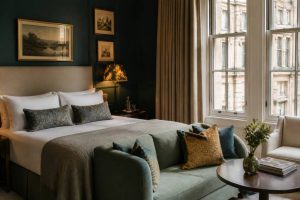
- One or two nights in a hotel, lodge, cabin, or converted country house
- Access to a spa, sauna, or hot tub
- Yoga, Pilates, meditation, or guided stretching sessions
- Healthy meals using local ingredients
- Walking routes or outdoor activities nearby
- Optional treatments such as massages, facials, or acupuncture
Some retreats are structured around group classes and set schedules. Others are deliberately flexible, so you can do as much or as little as you want. If the idea of a timetable feels a bit too much, look for retreats that offer a “choose your own pace” approach. Those are often the easiest to enjoy for a short break.
Where to find the best wellness retreats in the UK
The UK has a strong mix of locations that suit a mindful break. The best retreat for you depends on what helps you relax. A coastal setting works well if sea air and long walks clear your head. The countryside is ideal if you want quiet and space. Meanwhile, some of the UK’s spa towns and rural hotels offer a more polished experience with excellent facilities and easy access.
The Lake District remains one of the most popular choices for a retreat focused on walking and scenery. The views do half the work for you. Cornwall and Devon are strong picks for coastal wellness escapes, especially if you like beach walks, sea swimming, and fresh seafood after a day outside. The Scottish Highlands offer a more remote feel, with dramatic landscapes that make it easier to disconnect. For something easier to reach from London, the Cotswolds, Kent, and Sussex have plenty of countryside hotels and spa stays that suit a weekend away.
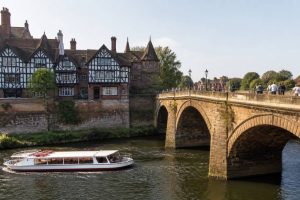
Wellness retreats are not limited to rural areas either. Cities such as Bath, York, and Edinburgh have become popular for shorter spa-led breaks. These destinations combine good accommodation, excellent restaurants, and easy access to cultural attractions, which works well if you want a retreat that still feels like a proper trip.
What to look for when choosing a retreat
Not all wellness retreats are built the same, and that matters. A glossy brochure can hide a noisy location or a programme that is more intense than relaxing. Before booking, it helps to check a few practical details.
- Location: Is it remote and peaceful, or close to transport links and local attractions?
- Facilities: Does it have a spa, treatment rooms, sauna, pool, or outdoor space?
- Programme: Is it structured with classes and meals, or more flexible?
- Accommodation style: Are you staying in a hotel, lodge, cabin, or shared house?
- Food: Are meals included, and do they suit your preferences?
- Group size: Do you want a quiet solo stay or a sociable small-group setting?
- Price: What is included in the package, and what costs extra?
It is also worth checking whether the retreat is focused on wellness in a broad sense or a specific activity. A yoga retreat, for example, will usually involve multiple sessions a day and may suit people already comfortable with the practice. A spa and walking break may be more suitable if your main goal is relaxation rather than a full routine.
How much do wellness retreats cost?
Prices vary widely, which is good news if you are trying to keep things sensible. A simple countryside stay with one treatment and breakfast might start at a few hundred pounds for a weekend. More premium retreats, especially those with fine dining, luxury spa access, and expert-led programmes, can cost significantly more.
As a rough guide, you might expect:
- Budget-friendly retreats: around £150 to £300 per person for a short stay, depending on what is included
- Mid-range retreats: around £300 to £700 per person for two nights with meals and some activities
- Luxury retreats: £700 and upwards, especially for premium hotels or specialist wellness programmes
The key point is to check the inclusions. A retreat that looks expensive at first may offer better value if meals, classes, and spa access are all included. By contrast, a lower headline price can climb quickly once treatments and dinners are added on. It is the classic “cheap room, pricey extras” problem. Nobody likes a surprise bill after a supposed break from stress.
What makes a retreat feel mindful rather than just relaxing
A relaxing break and a mindful break are not exactly the same thing. Relaxing is about switching off. Mindful is about becoming more aware of how you spend your time. The best wellness retreats make space for both.
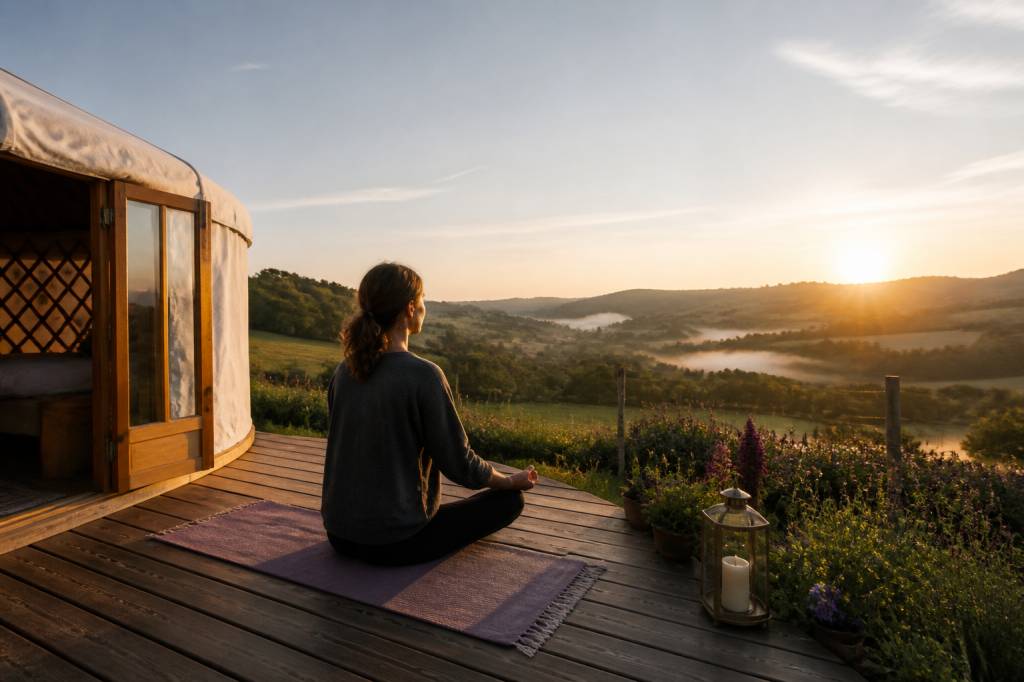
That might mean starting the morning with yoga, followed by a slow breakfast and a walk in the countryside. Or it could mean leaving your phone in the room, booking a massage, and spending the afternoon in a quiet lounge with a book. The point is not to fill every moment. It is to make each part of the stay feel intentional.
Many retreats now include experiences that support this slower rhythm, such as forest bathing, journaling workshops, mindfulness sessions, or guided breathing exercises. These details matter because they help guests leave with more than just a nice spa robe and a temporary glow.
Food and drink are part of the experience too
Wellness breaks in the UK have become much more food-aware in recent years. That does not always mean strict diets or tiny portions. In many cases, it means thoughtful menus based on seasonal ingredients, balanced meals, and a better overall dining experience. This is a big reason wellness retreats now appeal to a wider audience.
Expect to see menus built around fresh produce, whole grains, quality fish, lean proteins, and vegetarian options. Many retreats also cater well for vegan, gluten-free, and dairy-free diets. Some places work with local farms or food producers, which adds to the sense of place and keeps the food feeling grounded rather than generic.
That said, not every retreat needs to be all about clean eating. Some of the best wellness getaways include a proper afternoon tea, a good local pub lunch, or a candlelit dinner with regional dishes. Balance matters. A retreat should leave you feeling nourished, not as though you have joined a punishment scheme for pastry lovers.
Short breaks that fit real life
One of the strongest reasons for the popularity of wellness retreats is that they fit into modern schedules. You do not need a full week away to benefit. A two-night stay can make a real difference if it is well chosen. That is especially useful for people with busy jobs, family commitments, or limited annual leave.
Many UK retreats are designed with this in mind. They offer Friday-to-Sunday packages, Monday-to-Wednesday stays, or flexible one-night options. Some even provide day retreats for people who cannot stay overnight. These formats make wellness more accessible and easier to build into everyday life.
This is also why transport links matter. Retreats near main train routes or within easy driving distance of major cities are especially appealing. The less time you spend getting there, the more time you have to enjoy the actual break. Simple, but important.
Tips for booking the right mindful break
If you are planning your first wellness retreat, a few practical checks can save disappointment later.
- Book early for popular weekends and school holiday periods
- Check whether treatments need to be reserved in advance
- Look at arrival and departure times, especially for short stays
- Confirm what clothing or equipment you need to bring
- Read reviews that mention atmosphere, noise levels, and food quality
- Choose a retreat that matches your energy level, not someone else’s idea of wellness
It also helps to think about what you want to feel at the end of the trip. Rested? More mobile? Less stressed? Better slept? Once you know that, you can choose a retreat that serves that purpose rather than simply looking attractive online.
The future of wellness travel in the UK
Wellness retreats are likely to keep growing because they answer a very current need. People want travel that feels useful, restorative, and realistic. They want places that support wellbeing without requiring a full lifestyle overhaul. The UK is well placed to offer that, with its mix of countryside, coast, spa towns, and well-run hotels.
We are also seeing more creative retreat formats. Some combine wellness with walking or cycling. Others focus on sleep, menopause support, cold-water therapy, or creative wellbeing through art and writing. This variety makes the market feel more open and relevant. It also means there is probably a retreat for almost every kind of traveller, whether you like silence, saunas, or a long lunch after a scenic hike.
For anyone planning a mindful short break, the best advice is simple: choose a place that makes life feel easier, not more complicated. The right retreat should take the pressure off, not add another list of things to do. If you come back a little lighter, sleep a little better, and feel less attached to your inbox, the trip has done its job.