Liverpool United Kingdom travel guide for things to do, local attractions and food
Liverpool United Kingdom travel guide for things to do, local attractions and food
Liverpool is one of those UK cities that rewards both first-time visitors and repeat trips. It has a strong personality, a compact centre, excellent museums, a famous waterfront and a food scene that is much better than many people expect. If you are planning a short break and want a place that is easy to navigate, full of history and never short on things to do, Liverpool is a very solid choice.
The city works well for different types of travellers. You can come for football, music, architecture, family attractions, shopping or simply a good weekend away with plenty of places to eat. It is also a city that feels welcoming from the start. Most key sights sit close together, public transport is straightforward, and many of the best experiences do not require a complicated plan. That is useful if you want to see a lot without spending your trip on logistics.
Why Liverpool is worth visiting
Liverpool has a rare mix of big-city energy and manageable scale. It is large enough to keep you busy for several days, but not so spread out that you waste time getting from one area to another. The historic centre, the Albert Dock, the waterfront and the main shopping streets are all within easy reach of each other.
The city is also deeply tied to its cultural identity. Music is everywhere, from The Beatles story to live venues and independent bars. Maritime history remains a major part of the local character. Add a strong sporting culture and a growing food scene, and you have a destination that offers much more than a single headline attraction.
For many visitors, the best part is the atmosphere. Liverpool feels active without being overwhelming. Locals are used to visitors, and the city has a friendly, direct style that makes it easy to settle in quickly. If you like places with character, this one delivers.
Getting around the city
One of Liverpool’s biggest advantages is how simple it is to explore. Much of the city centre is walkable, especially if you are staying near Lime Street, the waterfront or the Ropewalks area. Walking is often the easiest way to move between attractions, and it also gives you a better sense of the city’s layout.
If you prefer public transport, Merseyrail is practical for reaching areas beyond the centre, while local buses cover wider routes. Taxis and ride-hailing services are also easy to find. For visitors arriving by train, Lime Street Station is the main hub and connects directly with many parts of the city.
A few practical points help:
Top things to do in Liverpool
Liverpool offers a broad range of activities, from world-famous attractions to smaller experiences that are easy to miss if you are rushing. A balanced trip usually includes a bit of history, a bit of music and at least one slow stroll along the waterfront.
The Beatles Story and music landmarks
If you associate Liverpool with music, you are not alone. The Beatles remain one of the city’s strongest cultural draws, and there are several ways to explore that history. The Beatles Story at the Albert Dock is the most obvious starting point. It is a well-organised museum experience that takes you through the band’s rise, their local roots and their global impact.
Beyond the museum, you can follow the story across the city. Mathew Street is a classic stop, especially for visitors who want to see the Cavern Club area. The street is busy, lively and clearly tourist-friendly, but it is still worth seeing because it captures a very specific part of Liverpool’s identity. If you enjoy live music, evening visits here make sense, since the area comes alive after dark.
Royal Albert Dock
The Albert Dock is one of the best places to start any Liverpool visit. It combines heritage buildings, museums, cafés, restaurants and waterfront views in one compact area. It is also one of the easiest places to spend a relaxed half-day without needing a strict itinerary.
Several major attractions are based here, including Tate Liverpool and the Merseyside Maritime Museum. Even if you do not go inside every venue, the dock itself is worth walking around. The brick warehouses, open water and pedestrian routes create a pleasant setting for a slow visit, especially in good weather. On a clear day, it is one of the city’s nicest spots for photos.
World Museum and Walker Art Gallery
For visitors who enjoy museums, Liverpool performs well. The World Museum covers a wide range of topics, from natural history to space and ancient civilisations. It is a good choice if you want variety and something that works for different ages.
The Walker Art Gallery, often called one of the finest art collections in the UK outside London, is also well worth your time. It is a calm, easy-to-navigate gallery with a strong mix of classical and modern works. If you want a quieter stop between busier attractions, this is a strong option.
Liverpool Cathedral and the city skyline
Liverpool Cathedral is one of the city’s most striking landmarks. It is enormous, impressive and well worth visiting even if you are not usually drawn to religious buildings. The scale of the interior is the main attraction, but the views from the tower are just as memorable. On a good day, they offer a wide look across the city and beyond.
Close by, the Anglican and Metropolitan Cathedrals give Liverpool a rare architectural contrast. The different styles make for an interesting comparison and show how varied the city’s built environment can be. If architecture interests you, this is a rewarding part of the city to explore on foot.
Football culture and stadium visits
In Liverpool, football is not just a sport. It is part of daily life. Visiting Anfield or Goodison Park offers insight into the city’s identity, even for travellers who are not die-hard fans. Stadium tours are popular and can be booked in advance, with match days naturally being the busiest times.
Anfield is especially well known, and the surrounding area reflects the intensity of local support. If you are attending a match, plan early. Tickets can be hard to secure, and transport gets busy. If you are only doing a tour, check availability and opening times before you go. Football visits are one of the city’s most requested experiences, so they deserve a little advance planning.
Royal Liver Building and the waterfront walk
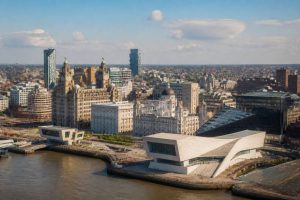
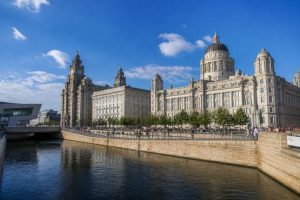
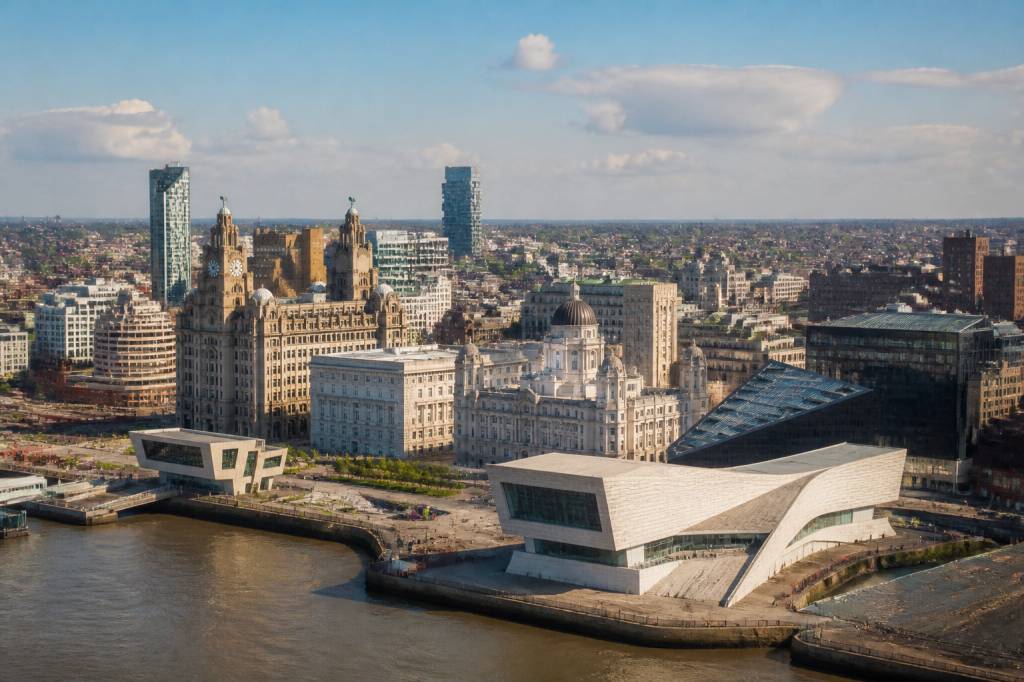
The waterfront is one of Liverpool’s most rewarding areas for a simple walk. Start around the Pier Head and you will see some of the city’s best-known landmarks, including the Royal Liver Building, the Cunard Building and the Port of Liverpool Building. Together they create the famous “Three Graces” skyline.
This is a good place to slow down and enjoy the scale of the city. There are benches, open views and plenty of photo opportunities. If you like urban landscapes, the waterfront is one of Liverpool’s strongest features. It is also free, which is always helpful when you want to balance out the cost of museums and paid attractions.
Where to eat in Liverpool
Liverpool’s food scene is more varied than many visitors expect. You can eat well at every budget level, from casual cafés and pubs to modern restaurants and international kitchens. The city does not rely on one signature dish, which is actually a strength. It means you have options.
The best areas for food are usually the city centre, the Baltic Triangle, the Ropewalks and the Albert Dock. Each has a slightly different feel. The dock is practical if you want a meal close to the main attractions. Ropewalks and the Baltic Triangle tend to be livelier and better for evenings out. The city centre offers the most convenience if you want to keep moving between shops, sights and restaurants.
What to try
If you want a mix of local and modern options, Liverpool is easy to navigate. You will find classic British pub food, excellent brunch spots, strong coffee culture and plenty of international choices. The city is particularly good for casual dining, which suits short breaks well.
Here are some food ideas to keep in mind:
Scouse is worth trying if you want something clearly tied to Liverpool. It is a simple, filling dish and not something you will find everywhere in the same way. If a restaurant offers it, and you want a local experience, go for it. Not every city gives you a dish with both history and identity attached.
Best areas for a meal or evening drink
For a relaxed lunch, the Albert Dock is convenient and scenic, though it can be busier at peak times. If you want more choice and a slightly younger, more energetic atmosphere, the Baltic Triangle is a good place to look. Ropewalks is another strong area, especially if you want bars, small plates and a late finish.
For a traditional pub atmosphere, Liverpool has plenty of options in and around the city centre. Many are easy to find, but it is still worth checking recent reviews if you want a particularly good meal rather than just a place to stop. In a city with this many dining choices, a quick check can save you from a very average plate of food.
Suggested way to spend a day
If you only have one day, keep it focused. Start with the waterfront and the Albert Dock, then choose one major museum. After lunch, head towards the Beatles areas or the central shopping streets, depending on your interests. Finish with dinner in the city centre or a drink in the Ropewalks area.
A simple plan could look like this:
If you have two or three days, add more time for the cathedrals, a stadium tour, a dedicated art stop and a slower food-focused evening. Liverpool works well when you avoid trying to pack everything into one rushed afternoon.
Useful tips before you go
A few practical details can make your Liverpool trip smoother. Weather can change quickly, so bring a light waterproof layer even in warmer months. Some attractions are free, but paid experiences such as museum exhibitions, tours and stadium visits should be booked early during busy periods. If you are staying overnight, central accommodation gives you the easiest access to most major sights.
It also helps to think about timing. Weekdays are generally calmer for museums and waterfront walks. Weekends bring more atmosphere, but also more people. If you want a quieter visit, aim for earlier in the day. If you want energy and nightlife, stay later and let the city do what it does best.
Liverpool is the kind of destination that is easy to enjoy quickly but also rewarding in more depth. You can come for the famous names and stay for the atmosphere, the architecture and the food. That is often how the best city breaks work: you arrive with one idea of what to expect, then leave with a longer list of reasons to come back.