How to enjoy the cotswolds like a local with authentic food and hidden villages
How to enjoy the cotswolds like a local with authentic food and hidden villages
Start with the right mindset: slow down a little
The Cotswolds are easy to enjoy in a rush, but they make much more sense when you take your time. This is not a place that rewards a tight schedule and a long checklist. It rewards unhurried walks, small detours, and a willingness to stop when a village looks interesting. That is usually the best way to find the quieter side of the region.
If you want to experience the Cotswolds like someone who knows the area well, think beyond the famous postcard spots. Yes, places like Bourton-on-the-Water and Bibury are worth seeing. But the real charm often sits one lane away, in a village pub, a farm shop, or a little high street that most visitors drive past without noticing.
The local rhythm is simple: have a proper breakfast, visit one village, take a scenic back road, stop for lunch somewhere independent, and leave time for a walk or a tea break. That is the kind of day locals tend to enjoy themselves, even if they are just out for a weekend errand.
Choose villages that still feel lived-in
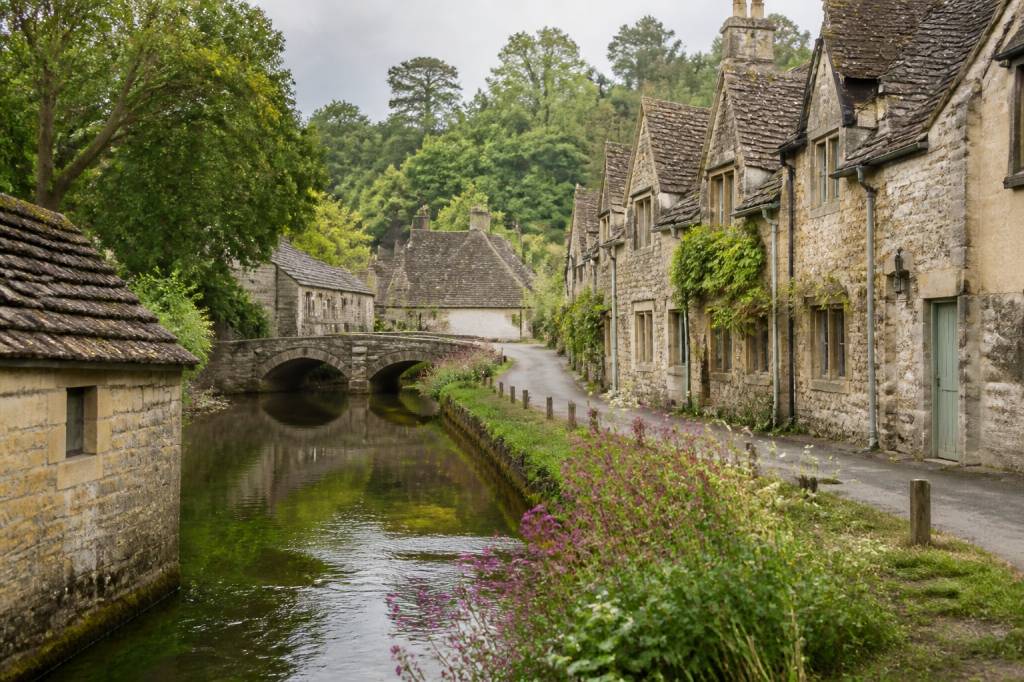
The Cotswolds cover a wide area, so it helps to pick villages that still have a working community, not just tourism. The most enjoyable stops are often the ones with a mix of stone cottages, a village shop, a church, a pub, and people actually going about their day.
Some good examples include Northleach, Painswick, Snowshill, Kingham, and Stanton. These places are attractive, but they also feel real. You can get a coffee, buy bread, walk the lanes, and see what the village looks like when the coach crowds are elsewhere.
Here are a few signs you are in the right kind of place:
- A village shop that sells essentials, local produce, and newspapers.
- A pub with a lunch menu that changes by season.
- Footpaths leading out of the village within a few minutes’ walk.
- Homes and farms mixed in with visitor-friendly stops.
- Limited parking, which usually means fewer day-trippers and a more local feel.
If you are short on time, avoid trying to “do” too many villages in one day. Two or three is usually enough. The Cotswolds are best when you leave space for unplanned stops. A good village lane is often more memorable than another quick photo from a crowded viewpoint.
Eat where locals actually go
Food is one of the easiest ways to enjoy the Cotswolds like a local. Skip the places with long souvenir shelves and look for pubs, cafés, bakeries, and farm shops that are clearly part of everyday life. In this part of England, good local food is often simple, seasonal, and well made.
A proper Cotswolds meal does not need to be fancy. A warm pie, a ploughman’s lunch, a soup with crusty bread, or a roast at a village pub can be exactly right. The best spots usually focus on local ingredients and a short menu rather than trying to impress everyone at once.
Look out for these kinds of food stops:
- Village pubs serving Sunday roasts, fish and chips, steak and ale pie, and local ales.
- Farm shops with sandwiches, picnic supplies, baked goods, and regional cheese.
- Tea rooms that still make proper cakes, scones, and afternoon tea without overcomplicating it.
- Independent cafés that open early and serve breakfast, toasties, and strong coffee.
- Local bakeries for sausage rolls, pastries, and pies you can take with you on a walk.
If you want one easy rule, follow the locals at lunchtime. A pub that is busy with regular customers on a weekday is usually a good sign. So is a farm shop car park with tractors, muddy boots, and people carrying bread, not just postcards. That is often where you will find the best value and the most authentic experience.
Also, do not ignore breakfast. A full English in a village café can set you up for the whole day. It may not be elegant, but it is practical, and practical is sometimes the right choice in the countryside.
Look beyond the famous villages
The most recognisable places in the Cotswolds are popular for a reason, but they are not the whole story. If you want hidden villages, you need to be willing to leave the main route. Some of the best places are only a few miles away from the better-known names, yet feel much calmer.
Consider adding villages such as Warkworth, Alderton, Filkins, Bibury’s quieter neighbours, or the smaller settlements around the southern and northern edges of the region. These often have fewer visitors, more open views, and a better chance of giving you that “we found something” feeling.
The real advantage of hidden villages is not just fewer people. It is the atmosphere. You can hear birds, church bells, and your own footsteps. You can take your time without feeling rushed along by a crowd. And, importantly, parking is usually less stressful.
If you enjoy exploring, combine a village stop with a short walk. A lot of Cotswolds beauty sits just outside the centre, along footpaths, bridleways, and field edges. You do not need serious hiking gear for many of these routes, just sensible shoes and a bit of patience with the mud if it has rained recently.
Use the pubs as part of the experience
In the Cotswolds, the village pub is not just somewhere to eat. It is often the social centre of the area. Locals meet there for lunch, dinner, coffee, a pint, or a catch-up after walking the dog. If you want to understand the area properly, spend time in one.
The best pubs usually have a few things in common: a clear seasonal menu, a welcoming bar area, good pub classics, and staff who know whether the vegetables are local or the fish arrived fresh that morning. Many also serve as useful landmarks for walks and village routes.
A few practical tips help here:
- Book ahead for Sunday lunch, especially in popular villages.
- Check opening days, as some pubs close one or two weekdays.
- Ask about a bar menu if the main dining room is full.
- Look for pubs that offer local cider, beer, or English sparkling wine.
- If you are walking, ask whether they welcome muddy boots. Most do, but it is better to know before you arrive.
Some pubs in the Cotswolds are refined, others are more relaxed and practical. Both can be good. The right choice depends on the kind of day you want. If you are out exploring hidden villages, a cosy pub with a good fire, fast service, and a decent bowl of soup may be more useful than a polished dining room with a long tasting menu.
Find food that feels local, not staged
Authentic food in the Cotswolds is often tied to the area’s farming roots. That means cheeses, lamb, pies, seasonal vegetables, chutneys, and baked goods that make sense in a rural setting. You do not need to hunt for a complicated “local food experience.” Often, the best version is the simplest one.
Cheese lovers should look for Cotswold-style cheeses and regional farmhouse varieties. Bakeries and farm shops often sell them alongside fresh bread, scotch eggs, and picnic items. If you are planning a countryside walk, this is the easiest way to create a good lunch without overthinking it.
Local dishes and products worth trying include:
- Cotswold cheese and other farmhouse cheeses.
- Steak and ale pie.
- Pork pies and sausage rolls from local bakers.
- Afternoon tea with homemade scones and jam.
- Seasonal soups, especially in autumn and winter.
- English cider and small-batch ales from regional producers.
Farm shops are especially useful because they give you a mix of quality and convenience. You can pick up picnic food, local jam, fresh fruit, biscuits, and drinks in one stop. Some also have cafés attached, which makes them ideal for a relaxed lunch between villages.
If you want to avoid the more touristy side of dining, do a little pre-trip checking. A restaurant with a short seasonal menu, local sourcing notes, and a few everyday dishes is usually a safer bet than somewhere that leans too hard on “country chic.” The latter often looks better on social media than it does on the plate.
Travel between villages the easy way
The Cotswolds are spread out, so transport matters. A car is still the most practical way to explore hidden villages and food stops, especially if you want to move at your own pace. Public transport exists, but it can make rural travel slower and more complicated than you might expect.
If you are driving, plan around narrow roads and limited parking. This is normal in the Cotswolds. It is part of the charm, and part of the challenge. Arriving early gives you a better chance of finding a space and seeing the village before it gets busy.
For a local-style day out, try this kind of route:
- Start with breakfast in one village or market town.
- Visit a quieter village before late morning.
- Stop for lunch at a pub or farm shop.
- Take a scenic back road instead of the fastest route.
- Finish with a short walk, a tea stop, or a late-afternoon drink.
If you do not have a car, base yourself in a well-connected town and take taxis for the quieter villages. That can work well if you want a slower, more comfortable trip without trying to manage bus timetables all day. It is not the cheapest option, but it can be a lot easier.
Pick the right time of day
Timing makes a bigger difference than many visitors realise. A village at 9 am, 1 pm, and 4 pm can feel completely different. Early morning is calmer and better for photos. Lunchtime is busier and better for atmosphere. Late afternoon is often the quietest and most relaxed.
If you want the hidden-village feel, aim for early mornings or late afternoons. That is when you are more likely to see daily life rather than just visitors. You may catch locals walking dogs, collecting parcels, or popping into the post office. It sounds ordinary, but that is often what makes a place feel real.
For food, timing also matters. Popular pubs and tearooms fill up quickly, especially at weekends and during school holidays. If you know where you want to eat, book in advance. If you prefer flexibility, choose places with simple menus and shorter wait times.
Autumn and spring are particularly good seasons for this style of trip. The landscape is attractive, the walks are comfortable, and the crowds are usually lighter than in peak summer. Winter can also be lovely if you enjoy cosy pubs and quiet lanes, though some attractions and eateries may have reduced hours.
Bring a few practical essentials
Enjoying the Cotswolds like a local is easier when you are prepared for the countryside. Conditions can change quickly, especially if you plan to walk between villages or along footpaths. A little preparation saves time and makes the day more relaxed.
Useful things to bring include:
- Comfortable walking shoes with grip.
- A light waterproof layer.
- Cash or a card, as some smaller places still have limited payment options.
- A reusable water bottle.
- A phone charger or power bank if you are using maps all day.
- A small bag for picnic food or bakery purchases.
It is also worth checking opening hours before you set off. In rural areas, cafés and shops can close earlier than expected, especially midweek. Nothing spoils a countryside lunch plan quite like arriving at 2:05 pm to find the kitchen has already shut. A quick call or online check is usually enough to avoid that.
Leave room for the small surprises
The best local-style trips are rarely the most tightly organised ones. They include the little things you did not plan: a churchyard with a beautiful view, a bakery with warm pastries, a secondhand bookshop in a village high street, or a pub garden that turns out to be much nicer than expected.
That is what makes the Cotswolds rewarding. The region has the famous scenery, but it also has everyday details that feel quietly special. If you spend your time chasing only the best-known spots, you miss a lot of that.
So take the scenic road, stop for the bakery, ask the pub staff what they would order, and visit at least one village you had not planned to see. That is usually where the most authentic part of the day happens.
And if a village looks too perfect to be real, that is fine. Have a look anyway. Then keep going until you find the one with muddy boots outside the pub, a queue at the bakery, and a view that makes you stop mid-sentence. That is the Cotswolds at their best.