How local tourism is shaping regional towns and supporting small businesses
How local tourism is shaping regional towns and supporting small businesses
Local tourism is often discussed as a nice extra for a town. In reality, it can be one of the main reasons a regional place stays lively, profitable, and worth visiting in the first place. When travellers choose a smaller town over a big city, money tends to spread more evenly. It reaches family-run cafés, independent shops, local guides, guesthouses, markets, and experience providers that rely on footfall rather than large-scale advertising.
That matters. Regional towns usually do not have the same visitor numbers as major cities, so every day trip, overnight stay, or weekend break has a visible impact. A few dozen extra visitors can mean a busy lunch service, a sold-out pottery workshop, or an extra room booked at a local inn. For small businesses, that can make a real difference.
Local tourism is also changing the way people see regional towns. Places once treated as a stopover are now becoming destinations in their own right. Visitors are looking for heritage, food, outdoor activities, and local character. They want something that feels authentic, not copied and pasted from everywhere else. That shift is helping towns highlight what they already do well.
Why local tourism matters more than many people think
When people travel locally, they usually spend in ways that support the wider town economy. They buy coffee before a museum visit, pick up lunch from an independent deli, browse a bookshop, or stay overnight in a small accommodation provider rather than a chain hotel. Each of those decisions sends money directly into the area.
Unlike some forms of tourism that concentrate spending in a few major venues, local tourism often creates a ripple effect. A visitor may come for one attraction, but they will need parking, food, transport, retail, and perhaps a place to stay. If the town offers a strong mix of businesses, more of that spend stays local. That is the part many councils and business owners are trying to strengthen.
It also helps towns become less dependent on one type of income. A place that relies only on seasonal trade or one major attraction can struggle when visitor numbers dip. But towns with a healthy mix of small businesses, events, and local experiences tend to be more resilient. They can adapt more easily when tourism patterns change.
How regional towns benefit from visitor spending
Visitor spending may look small on an individual level. A sandwich here, a ticket there, a £12 souvenir, maybe a night in a B&B. But multiply that across a weekend market, a summer festival, or a popular walking trail, and the effect becomes much clearer.
Regional towns often see benefits in a few key areas:
This matters because smaller businesses tend to spend locally too. A café owner buys from a nearby bakery. A guesthouse uses local cleaners, laundry services, and tradespeople. A farm shop stocks produce from surrounding suppliers. So the impact of tourism is not limited to the front door. It moves through the wider local economy.
Small businesses are often the biggest winners
Large chains have their place, but local tourism is usually strongest when it supports small, independent businesses. These businesses are often the ones giving a town its character. They are also the ones most likely to notice when visitor numbers rise.
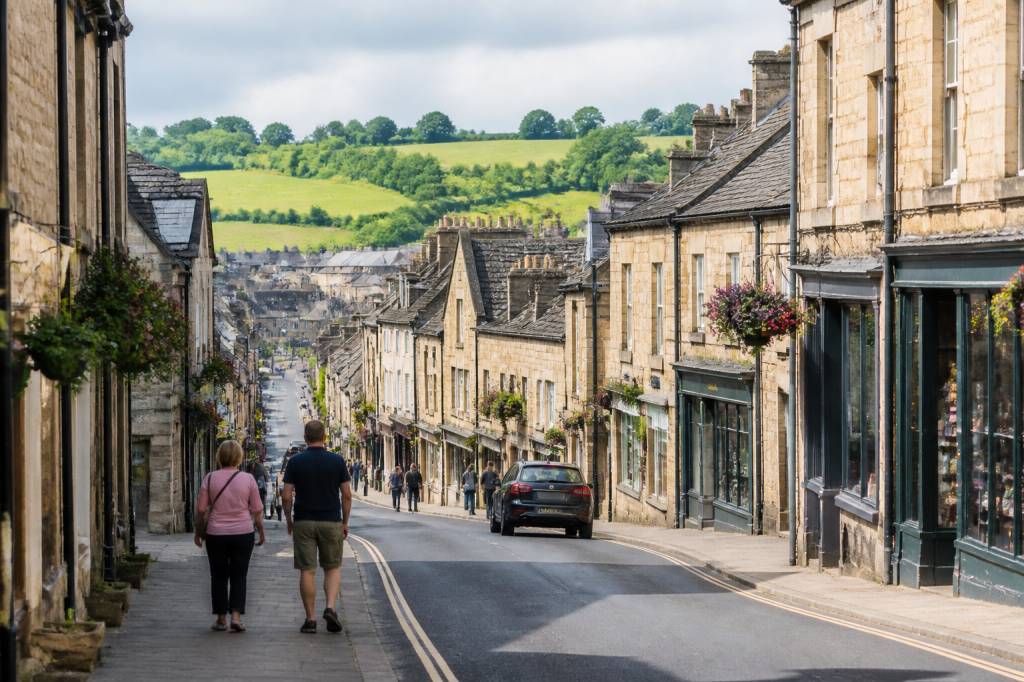
Think of a town with a good walking route, a heritage high street, and a monthly craft market. A visitor might arrive planning to spend two hours. Then they stop for coffee, buy a handmade candle, stay for lunch, and book a return visit for a local festival. That extra time in town is valuable. It is not just spending money; it is creating a more active local economy.
Small businesses also benefit from the kinds of visitors local tourism attracts. Many are looking for personal service and local knowledge. They want recommendations, not just transactions. That gives independent businesses an advantage. A shop owner who can point out the best walking route, a pub landlord who knows the local history, or a B&B host who recommends a quiet breakfast spot can shape the whole visitor experience.
And yes, that human touch still matters. In a world full of algorithms and generic reviews, people often remember the places where someone took five minutes to be helpful.
Town identity becomes a real asset
Local tourism does more than drive sales. It can help regional towns define or rediscover what makes them distinct. When visitors start asking, “What is there to do here?” towns often respond by improving signage, promoting local trails, creating food maps, or organising events that showcase local strengths.
That process can be positive for residents too. A town that once felt overlooked may gain confidence. Public spaces are better maintained. Empty units might be filled with independent shops or pop-up businesses. Local history gets more attention. Seasonal events bring colour and activity to streets that might otherwise feel quiet.
This is especially visible in towns with a clear identity. Coastal towns can promote walking routes, seafood, and water-based activities. Market towns can lean into heritage, artisan goods, and food festivals. Spa towns, cathedral towns, and former industrial towns can each build visitor interest around their own story. The best tourism strategies tend to build on what already exists rather than trying to reinvent the town completely.
That approach feels more authentic, and travellers notice that. People can usually tell when a place is promoting itself honestly and when it is trying too hard. A town does not need to be flashy. It needs to be clear, welcoming, and easy to explore.
Events and seasonal activity play a big role
One of the simplest ways local tourism supports small businesses is through events. A food festival, Christmas market, summer fair, heritage weekend, or live music series can bring a town to life very quickly. Even a single event day can create a strong boost for nearby businesses.
The pattern is usually easy to spot. Visitors arrive early, look for breakfast, browse shops before the main event, and stay on for dinner or drinks. Some return the next day. Others plan a future stay after discovering the area for the first time.
For small businesses, events can be a lifeline during slower periods. A winter market may help a café through a quiet month. A spring walking weekend may improve room occupancy. A summer arts trail may drive sales in independent galleries and studios.
Local tourism works best when it spreads activity across the calendar rather than concentrating everything in one short season. A town that has something to offer in February, April, July, and November is in a stronger position than one that depends entirely on school holidays.
What visitors are looking for now
Today’s travellers are often more intentional than they used to be. They want value, but not just in price. They want memorable food, a good walk, a comfortable place to stay, and a sense that their spending is contributing to something real.
That is good news for regional towns. Many already offer exactly what people want, even if they have not packaged it in a polished way. A simple riverside walk, a family-run tearoom, a farm shop with local produce, or a small museum with a strong story can be enough to build a full day out.
Travellers also like convenience. Clear parking information, honest opening hours, accessible attractions, and easy booking options make a big difference. Small businesses that communicate well often win repeat visits because they remove friction. No one wants to drive 40 minutes for a “probably open” café. Helpful information is part of the experience.
There is also growing interest in low-impact, slower travel. Visitors increasingly want to explore on foot, use local transport, and spend time in one place rather than rushing through three. Regional towns are well suited to that style of trip. They are compact, manageable, and often full of hidden details that reward a slower pace.
Practical ways towns can strengthen the link between tourism and small business
Supporting local tourism is not only about attracting more people. It is also about making sure the town is ready to convert visits into meaningful spending. A few practical steps can help:
These are not complicated ideas, but they work. Local tourism grows best when towns make it simple for people to arrive, explore, spend, and return.
What this means for the future of regional towns
The effect of local tourism goes far beyond a busy weekend. Over time, it can help shape the identity, confidence, and economic health of a regional town. It supports small businesses, encourages investment, and helps protect the kind of independent places that give towns their character.
It also creates a cycle that can be surprisingly powerful. Visitors spend money locally. Local businesses improve. The town becomes more attractive. More visitors arrive. That does not happen automatically, and it needs careful management. But when it works, the benefits are easy to see.
For travellers, the appeal is straightforward. A regional town often offers a calmer pace, better value, and a more personal experience than a busier destination. For business owners, it offers a chance to reach people who are actively looking for something local, useful, and memorable. For the town itself, it can mean renewed activity and a stronger sense of place.
So next time you plan a day out or a short break, think about the wider effect of where you spend your money. That coffee from an independent café, the lunch at a family-run pub, the local B&B booking, or the handmade gift from a market stall is not just a purchase. It is part of the engine that keeps regional towns working.
And if a town gets that mix right, everyone benefits: visitors, residents, and the small businesses that give the place its real personality.