


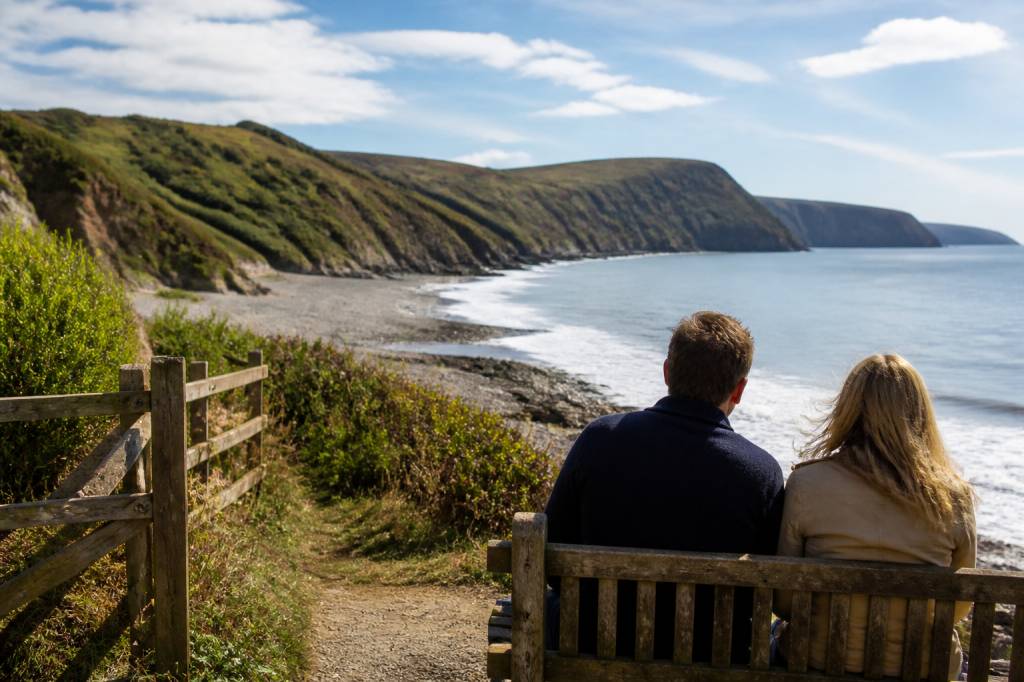
Staycations are not a passing trend in the UK. In 2026, they are still growing, and for very practical reasons. People want easier trips, clearer costs, less stress, and more control over how they spend their time off. That is hard to beat when a domestic break can mean a coastal cottage, a city weekend, or a countryside lodge without the hassle of airports, exchange rates, or long transfers.
For many travellers, the appeal is simple: a staycation feels more flexible and more affordable, while still offering a proper change of scenery. And in a year when many households are watching budgets more closely, that matters. But money is only part of the story. UK holidays are also changing because people want shorter, more frequent breaks, better use of annual leave, and destinations that fit around family life, pets, work schedules, and last-minute plans.
Why UK breaks still make sense in 2026
The strongest reason staycations remain popular is that they are easy to plan. You do not need to book a passport appointment, check visa rules, or worry about international flight delays. You can choose a trip that fits around a weekend, school holidays, or even a midweek gap in the diary. For lots of people, that convenience is a big part of the value.
There is also the cost factor. A UK break may still feel expensive in peak season, especially in places like Cornwall, the Lake District, York, or Edinburgh. But compared with a trip abroad, the total spend is often easier to control. Travellers can reduce costs by driving instead of flying, booking self-catering accommodation, and choosing destinations closer to home. That makes a real difference when families are comparing options.
Another reason is familiarity. Some people simply feel more relaxed when they know the language, the transport system, and the practical details. A staycation removes a lot of guesswork. If you are travelling with children, older relatives, or a dog, that comfort matters even more.
Shorter trips are now the norm
One clear shift in 2026 is the rise of shorter, more frequent breaks. Instead of one big annual holiday, many people are spreading their travel across the year. A long weekend in Brighton, a three-night escape in Snowdonia, or a Monday-to-Friday base in Northumberland can deliver the same sense of reset without using too much annual leave.
This is especially useful for people working hybrid schedules. A growing number of travellers are turning a staycation into a “working holiday” by adding a couple of remote work days. A quiet lodge with strong Wi-Fi, a decent desk, and nearby walking routes can be more appealing than a full week of travel stress. It is not exactly glamorous, but it is effective. And sometimes that is the point.
Short breaks also suit modern travel habits. People want quick rewards, not complicated planning. If a destination can be reached in two to four hours by train or car, it suddenly becomes a realistic option for a lot more households.
Better value is driving the trend
Budget awareness continues to shape travel decisions across the UK. Even when inflation slows, people still compare every part of a trip: transport, accommodation, food, parking, and activities. Staycations allow more control over those expenses.
Self-catering accommodation remains one of the biggest draws. A holiday cottage, apartment, or lodge gives visitors the option to cook some meals themselves, which can cut the daily spend significantly. That matters in places where restaurant prices are high or where families need predictable costs.
There is also a growing preference for destinations that offer free or low-cost activities. Think beaches, walking trails, museums, parks, historic towns, and local markets. The UK has plenty of these. A day out does not always need a ticket price attached to it.
For example, a family heading to Norfolk can build a break around coast paths, seal-spotting trips, and simple pub meals. A couple in the Peak District might spend most of their time walking, visiting villages, and relaxing in a cottage. That kind of holiday does not need a long list of paid attractions to feel worthwhile.
The UK has become better at selling its own appeal
One reason staycations continue to rise is that more people are rediscovering how much the UK has to offer. Domestic destinations have improved their visitor experience over the past few years. Many towns and regions now offer better signage, stronger food scenes, improved accommodation choices, and more joined-up tourism information.
This matters because a staycation needs to feel like a proper trip, not just “staying at home somewhere else.” The best UK breaks now combine practical comfort with a clear sense of place. A weekend in Bath feels different from a few days in Whitby. A visit to the Scottish Highlands is not the same as a family stay in Devon. That variety is one of the UK’s biggest strengths.
Local tourism boards and independent businesses have also become better at promoting off-peak visits, hidden spots, and seasonal events. That helps spread demand and gives travellers more options outside the usual summer rush.
Travellers want less stress and more control
International travel can still be wonderful, but it comes with more moving parts. Flight delays, luggage restrictions, airport queues, and exchange-rate worries all add friction. A staycation avoids many of those problems.
That sense of control is increasingly important. Travellers want to know exactly what they are paying for. They want accommodation with clear check-in times, parking details, pet policies, and simple cancellation terms. They want to know whether the nearest beach is actually walkable or whether “close to town” means a 25-minute uphill stroll. Fair enough.
UK breaks make those details easier to manage. If plans change, people can often adapt more quickly. If the weather turns, a flexible itinerary is easier to reshuffle when you are not dealing with a fully packed overseas schedule.
Families are a major part of the market
Families remain one of the strongest drivers of the staycation boom. Parents often want trips that are easy, safe, and good value. They also need space, flexibility, and activities that work for different age groups. The UK delivers on all of these, especially in destinations with beaches, outdoor attractions, and family-friendly accommodation.
Popular family staycation choices in 2026 include:
- coastal destinations with sandy beaches and arcades
- holiday parks with pools, play areas, and entertainment
- cottages near walking trails and nature reserves
- city breaks with museums, aquariums, and easy transport
- farm stays and lodges that give children more space
Families also value predictable logistics. No one wants to manage a complicated airport transfer with tired children, a buggy, snacks, and three separate bags of beach gear. A straightforward drive to a holiday home often feels much more manageable.
Pets are shaping holiday choices too
Pet-friendly travel is another reason staycations are still growing. More people are treating dogs as part of the family, and that means accommodation choices matter. UK destinations are generally better suited to pet owners than many overseas trips, where travel rules and transport stress can be a barrier.
In 2026, more hotels, cottages, and lodges now advertise dog-friendly stays clearly. That makes planning much easier. Beaches, moorland walks, canals, and forest trails also make the UK a strong choice for people who want to bring pets along without too much fuss.
For many dog owners, this is not just a nice extra. It is the difference between booking a holiday and staying home. And when a holiday can include morning walks, pub gardens, and a comfortable base for the dog, the decision becomes much simpler.
Wellness and slow travel are part of the picture
The rise of staycations is not only about saving money. It is also about how people want to feel when they travel. More visitors are looking for rest, quieter settings, and time outdoors. That has made rural and coastal UK destinations especially attractive.
Wellness in this context does not necessarily mean expensive spa packages. It can be as simple as a clean cottage, fresh air, a good walk, and a slower pace. The demand for that kind of break is growing. People want to come back from holiday feeling better, not more exhausted than before.
This helps explain why areas such as the Lake District, the Yorkshire Dales, the Cotswolds, and parts of Wales continue to draw strong domestic demand. They offer space, scenery, and a break from everyday noise. That is a powerful combination.
What destinations are benefiting most
The staycation trend is not limited to one kind of place. Different destinations are winning for different reasons.
Coastal towns remain popular because they offer a clear holiday feel. Places like Whitby, Bournemouth, St Ives, Whitstable, and Tenby attract people who want sea air, easy walks, and a choice of cafés, pubs, and family attractions.
Historic cities are also doing well. York, Bath, Chester, Edinburgh, and Cambridge offer a strong mix of culture, good food, and compact walkable centres. They are ideal for short breaks where visitors want plenty to do without needing a car every day.
Rural destinations continue to perform strongly, especially with travellers seeking quiet and outdoor activities. National parks and countryside regions offer a different kind of holiday, one that is less about ticking off sights and more about slowing down.
There is also growing interest in lesser-known places. Travellers are increasingly open to choosing somewhere new if it promises good value and a relaxed atmosphere. That is good news for smaller towns and regions that sit just outside the usual hotspots.
Food and drink are part of the attraction
A modern staycation is rarely just about the scenery. Food and drink now play a bigger role in choosing where to go. Travellers want local pubs, good coffee, bakeries, seafood, farm shops, and restaurants that feel worth the detour.
This is another area where UK destinations have improved. Coastal towns increasingly highlight seafood and relaxed dining. Countryside breaks often come with farm-to-table menus, local breweries, and weekend markets. Cities offer a much wider range of cuisines, from casual street food to fine dining.
For many visitors, one of the pleasures of a UK break is discovering places they would not normally try at home. A well-run café or a decent Sunday roast can become part of the memory of the trip. Simple, but effective.
What travellers will keep looking for in 2026
If there is one thing shaping the staycation market in 2026, it is practicality. Travellers want clear prices, easy access, useful facilities, and a destination that offers enough to do without feeling crowded or overcomplicated.
The best staycation options tend to deliver:
- straightforward transport links
- good-value accommodation
- walkable local centres
- free or low-cost activities
- reliable food options nearby
- flexibility for families, couples, and pet owners
That may not sound revolutionary, but it is exactly why staycations continue to work. They fit real life. They are easier to book, easier to budget for, and easier to enjoy on short notice.
In a travel market that still feels unpredictable at times, that reliability has real value. And for many UK travellers, the appeal is no longer just about staying close to home. It is about choosing a break that genuinely suits the way they live now.
So, will staycations remain strong beyond 2026? All signs point to yes. As long as people want simpler planning, better control over costs, and trips that feel achievable rather than stressful, the UK will keep offering plenty of reasons to stay a little closer to home.