


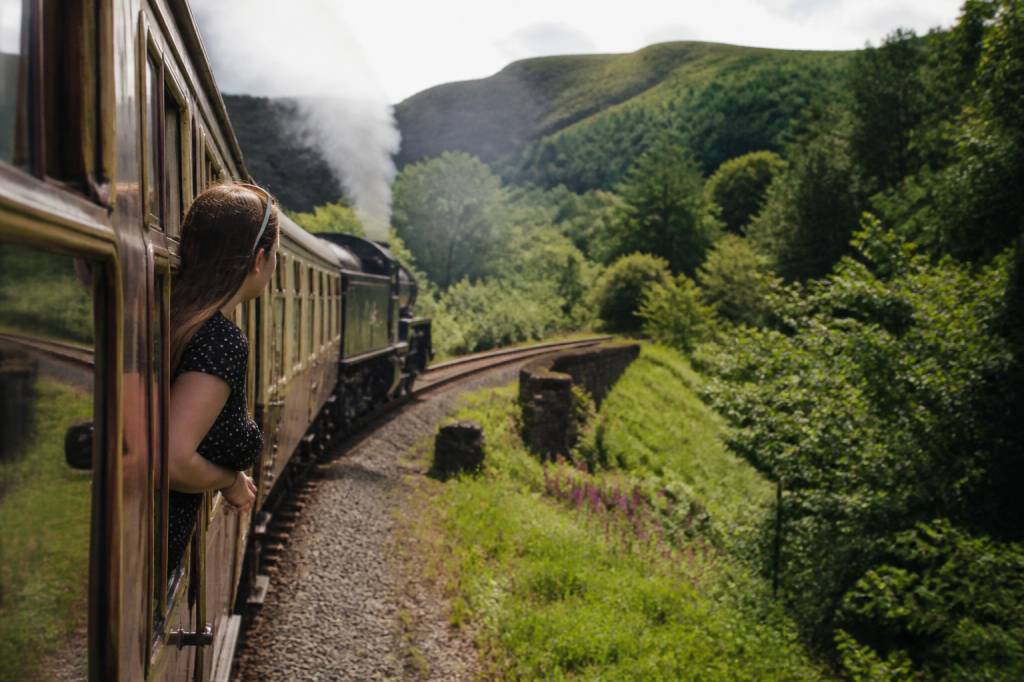
Heritage railways are having a noticeable moment. Once seen as a niche interest for train enthusiasts and family day-trippers, they are now attracting a wider mix of modern travellers. Some come for the scenery. Others come for the nostalgia. Many simply want a slower, more memorable way to explore a place. In a travel landscape shaped by fast bookings, short breaks and screen-heavy experiences, heritage railways offer something refreshingly different: a journey that feels purposeful, local and a little more personal.
That change is not happening by accident. Across the UK and beyond, preserved rail lines are improving visitor facilities, adding themed events and making their experiences easier to access. They are no longer just about standing on a platform and watching a steam engine roll in. Today, they are often part of a broader day out, with cafés, museums, walking routes, family activities and scenic stops built around the ride. For many travellers, that mix is exactly the appeal.
A slower way to travel is suddenly attractive again
Modern travel is fast. Flights are booked in minutes. City breaks are packed into two or three days. Even road trips can feel rushed. Heritage railways work in the opposite direction. They invite people to slow down, sit back and actually notice the landscape passing by the window. That simple shift matters more than it might seem.
Travellers are increasingly looking for experiences that feel less transactional and more meaningful. A heritage railway journey gives them time to look around, enjoy the sound of the carriage, and take in the route without the stress of driving or navigating. There is also something satisfying about the rhythm of an older train. It is not just transport. It is part of the experience.
That slower pace also fits well with the growing interest in mindful travel. People want fewer packed schedules and more moments that feel memorable. A steam train through the countryside, a heritage diesel line along the coast or a restored station café with views across the platform can become the highlight of a short break. Sometimes the journey really is the attraction.
Nostalgia still matters, but it is not the only reason
For many visitors, heritage railways spark memories. Perhaps they travelled on these trains as children. Perhaps they remember grandparents talking about steam travel. Perhaps they just like the look and sound of traditional carriages. Nostalgia is powerful, and these railways use it well. But modern interest goes beyond sentiment.
Today’s travellers are often looking for authenticity. They want places with a clear sense of identity. Heritage railways deliver that in a direct way. The stations, signage, uniforms and rolling stock all help tell a story. You are not just buying a ticket. You are stepping into a carefully preserved piece of local history.
That sense of place is especially appealing in an age when many destinations can feel similar. A heritage line offers something rooted in a specific region. It may pass through moorland, coastal villages, market towns or industrial landscapes. It may use restored signal boxes, original platforms or historic bridges. These details matter. They give the visit texture.
They fit neatly into a modern day out
One reason heritage railways are attracting new audiences is that they are no longer seen as standalone attractions. Many now form the centrepiece of a broader itinerary. A visitor might arrive for a train ride, then stay for lunch, a museum visit, a guided walk or a browse in the gift shop. That makes them easy to include in a family outing, a couple’s weekend or even a solo trip.
This works well for travellers who want value without needing a complicated plan. A heritage railway often offers:
- a clear arrival and departure point
- on-site parking or easy links from nearby towns
- set timetable departures, which simplify planning
- family-friendly facilities such as toilets, cafés and picnic areas
- short and longer route options, depending on the line
That practicality is important. A lot of modern travellers appreciate experiences that are enjoyable but also straightforward. Heritage railways usually tick both boxes. You know where to go, when the train leaves and roughly how long you will be out. That makes the day feel manageable, even if you are travelling with children or older relatives.
Scenery is a major part of the appeal
Many heritage lines run through some of the most attractive parts of the country. Because they were originally built to link remote settlements, coastal areas or industrial sites, they often pass through landscapes that standard road trips miss. Think hills, forests, estuaries, farmland, viaducts and sea views. In other words, they offer a moving viewpoint that is hard to replicate elsewhere.
That is one reason these railways have become popular with photographers and casual sightseers alike. Even travellers who are not especially interested in trains often enjoy the views from the carriage windows. The pace is slow enough to notice details but fast enough to cover a meaningful stretch of country. It is an easy way to see a region without having to drive every mile yourself.
Some lines are especially known for their scenery. The North Yorkshire Moors Railway is a good example, with long stretches through open countryside and strong links to historic stations such as Pickering and Grosmont. The Ffestiniog Railway in Wales combines engineering history with dramatic mountain and valley views. On the coast, lines like the Swanage Railway or the West Somerset Railway offer a different kind of pleasure, where the appeal is as much about the atmosphere as the destination.
Families like the combination of education and entertainment
Heritage railways are not just for adults who enjoy history. They are also easy to explain and easy to enjoy with children. A steam train is visually engaging. The signals, stations and engine sheds create a sense of discovery. And because the experience is physical and real, it works well for younger visitors who may not be interested in a museum-style visit on its own.
Many heritage railways now build family experiences into their offer. That might include Easter trails, Santa specials, murder mystery evenings, dinosaur events, hands-on workshops or themed rides during school holidays. These events make the railway feel current rather than dated. They also give parents a simple answer to the familiar question: “What shall we do today?”
For family planning, a heritage railway has a few practical advantages:
- it keeps children engaged without requiring constant screen time
- it can be enjoyed in almost any weather
- the journey is usually easy to understand, even for younger children
- there is often space to move around, which helps on longer rides
- many sites are suitable for picnics and flexible breaks
That mix of structure and freedom is useful. Not every day out needs to be a big production. Sometimes a few hours on a heritage line is enough to make the day feel special.
Events and themed experiences are bringing in new audiences
Another reason for the comeback is simple: heritage railways have learned how to broaden their appeal. Many now run seasonal events that attract visitors who might not otherwise choose a train ride. Afternoon tea services, fish and chip specials, dining carriages, steam galas and photography weekends all help bring in different groups.
These events work because they turn the journey into an occasion. Rather than just buying a standard ticket, visitors are booking an experience. That makes the railway relevant to people looking for gifts, anniversaries, group outings or unusual weekend plans. It also helps these organisations stay financially healthy, which is important for preservation work.
Dining trains are especially popular with adult visitors. They offer a relaxed way to enjoy a meal while moving through the landscape. Meanwhile, themed days can create a stronger reason to visit outside peak season. If you have ever wondered why a preserved line is busy on a wet Tuesday in November, there is often a special event behind it.
They offer something digital travel cannot
It is easy to book travel online. It is also easy to forget it almost immediately. Heritage railways offer a different kind of memory. They engage several senses at once: the smell of steam, the sound of the engine, the movement of the carriage, the atmosphere of the station, the texture of the old signage and the view from the window. That is a lot more tangible than scrolling through another itinerary in an app.
Modern travellers seem to value this. In a world of algorithm-led recommendations and highly polished city breaks, people are drawn to places that feel real and slightly imperfect. Heritage railways often have that quality. They are restored, yes, but not over-produced. They still feel like working places with a purpose. That gives them character.
There is also a social element. Train travel encourages conversation. Families talk. Couples switch off their phones. Friends compare views and plans. Even solo travellers often find the atmosphere welcoming and easy to navigate. It is a low-pressure way to spend time somewhere new.
Accessibility and better visitor facilities are helping too
The heritage railway sector has also become more visitor-focused. Many lines have invested in accessibility, clearer online booking, improved signage and better station facilities. That matters. A good experience begins before the train leaves the platform.
Depending on the railway, visitors may now find step-free access at key stations, accessible toilets, reserved seating, parking for blue badge holders and advance advice for passengers with mobility needs. Not every line offers the same level of access, of course, but the direction of travel is clear. These attractions are trying to serve a wider public, not just a specialist audience.
Practical improvements also make them more appealing for short breaks. Visitors want to know the basics before they set off:
- what time the first and last trains run
- whether tickets should be booked in advance
- how long the round trip takes
- where to park or how to get there by public transport
- what food and drink options are available on site
That kind of clear information reduces friction. It gives people confidence to visit, especially if they are trying a heritage railway for the first time.
A good fit for domestic tourism
Heritage railways also suit the current mood around domestic travel. Many people are choosing shorter breaks closer to home, especially when they want to avoid the cost or hassle of longer trips. A preserved railway can anchor a weekend away or a day trip without requiring a major budget. It works well alongside a stay in a nearby town, a countryside walk or a coastal visit.
This is where heritage railways become especially useful from a travel-planning perspective. They are easy to combine with other attractions. You could pair a rail visit with a historic house, a local market, a seaside promenade or a rural pub lunch. That flexibility makes them attractive to visitors who want to make the most of one area without overcomplicating the itinerary.
For destinations, the benefit is clear too. A railway can help spread footfall beyond the usual hotspots. It encourages visitors to spend time in smaller stations, rural communities and less obvious places that still have plenty to offer. In that sense, heritage railways are not only surviving. They are actively supporting local tourism.
Why the comeback is likely to continue
Heritage railways have found a strong position in modern travel because they offer several things at once: history, scenery, simplicity and atmosphere. They are easy to understand, easy to enjoy and flexible enough to appeal to different ages and interests. That is a rare combination.
They also answer a question many travellers are asking quietly: how do you make a day out feel memorable without making it stressful? A heritage railway is one answer. It does not demand a full itinerary or a lot of prior knowledge. You can turn up, board the train and let the day unfold at a slower pace. In travel terms, that is surprisingly attractive.
For anyone planning a trip, the advice is straightforward. Check the timetable, book ahead if the line recommends it, and leave enough time to explore the station, not just the ride. Many of the best experiences come from the small details: a restored waiting room, a volunteer’s story, a scenic view from the platform or a café stop after the journey. That is often where the charm really sits.
Heritage railways may be rooted in the past, but their renewed popularity says a lot about the present. Modern travellers still want convenience, but they also want character. They want places with a story. And few attractions deliver that as consistently as a well-run preserved railway.