


Planning a weekend in London with only 48 hours can feel like trying to eat the whole menu in one sitting. Impossible? Not quite. But it does mean you need a clear plan, sensible travel choices, and a realistic idea of how much you can fit in without spending the whole trip on the Tube.
The good news is that London is built for short breaks. Many of its biggest landmarks sit fairly close to one another, and you can cover a lot in two days if you group your sightseeing properly. The key is to avoid zigzagging across the city. Pick areas, not individual attractions, and move through London in blocks. That way, you spend more time seeing the city and less time checking train maps.
If this is your first time in London, or if you want to make the most of a quick return visit, here is a practical 48-hour plan that mixes major sights, local flavour, and a few useful tips along the way.
Before you start: a simple strategy for 48 hours
London is huge. That is the first thing to accept. The second is that you do not need to see everything. In fact, trying to do so is the fastest way to ruin a weekend.
A better approach is to divide your time into zones:
This gives you a good mix of classic sights, riverside walks, food stops, and a bit of local atmosphere. If you are visiting in peak season or on a bank holiday, book major attractions in advance. The London Eye, the Tower of London, Westminster Abbey, and top afternoon teas can sell out faster than you would expect.
For transport, contactless payment on the Tube and buses is usually the simplest option. You do not need to overthink it. Tap in, tap out, and keep moving. If you are staying centrally, you may find that walking is often faster than taking a short Tube ride once you factor in stairs, waiting times, and crowds.
Day one: the classic London you came for
Start with the landmarks. Even if you have seen them in films, they still have a certain effect in real life. London has a way of making familiar places feel bigger, busier, and somehow more cinematic.
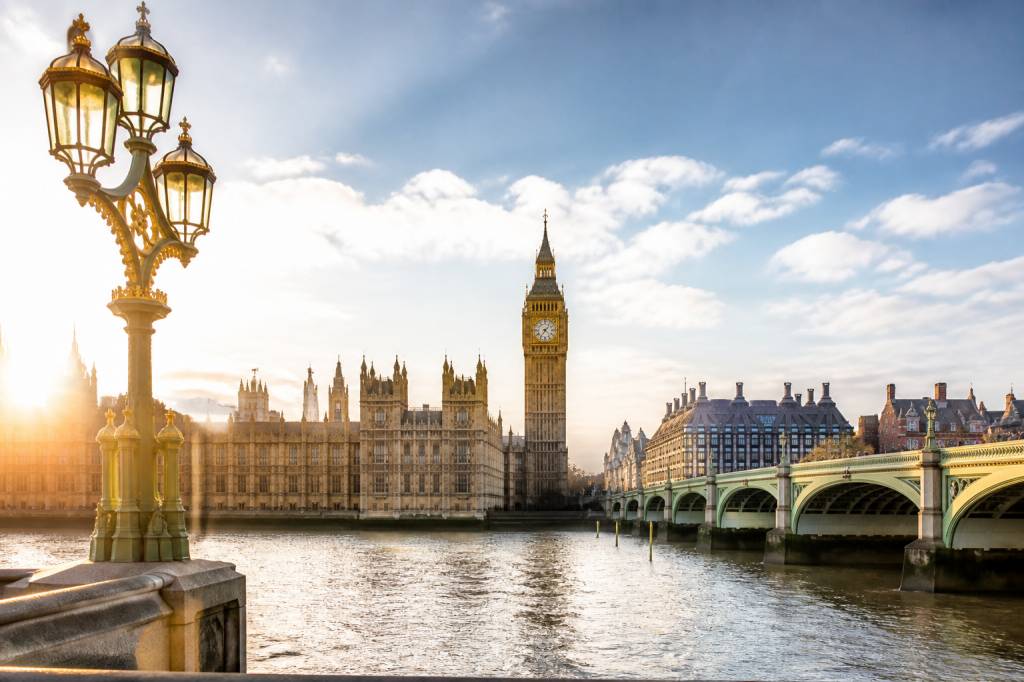
Begin in Westminster, where several major sights sit within easy walking distance. You can see Big Ben, the Houses of Parliament, Westminster Abbey, and the London Eye area without moving far. This is the best place to get those first “yes, I am really in London” photos.
If you want to go inside Westminster Abbey, check the opening hours before you arrive, as they vary by day and can change for services and events. It is worth arriving early. The queues build quickly, especially in good weather and during school holidays.
From there, walk along the river towards the South Bank. This stretch is one of the best easy walks in London. It is lively but not overwhelming, with street performers, cafés, bookstalls, and plenty of places to stop for a coffee or a quick lunch. You also get good views across the Thames, which is one of the simplest ways to enjoy London without rushing between attractions.
If the weather is decent, the South Bank is perfect for an unplanned pause. If it is not, well, welcome to London. Move indoors and pretend you planned it that way.
Good stops along this route include:
For lunch, keep it simple. This is not the time for a long detour across the city. The South Bank has plenty of quick options, but if you want something more polished, head a little further into Covent Garden later in the afternoon.
After lunch, continue along the river or cross the water depending on your energy. If you have not yet done a river cruise, a short Thames boat trip can be a smart use of time. It gives you a different view of the city and saves your feet for later. Hop-on, hop-off cruises are convenient, but even a single short stretch can feel like a useful break from walking.
In the late afternoon, head to Trafalgar Square and St James’s Park, or stay flexible depending on pace. If you enjoy museums, this is also a good time for a brief visit to the National Gallery. Entry is free, which is always a pleasant sentence to read in London. You can easily spend hours there, but even 45 minutes is enough for a worthwhile stop if you pick a few highlights.
For dinner, choose somewhere central so you do not end the day with a transport puzzle. Covent Garden, Soho, and St James’s all work well. Expect to pay more in the most tourist-heavy spots, but the convenience often makes up for it on a short trip. If you want atmosphere, Soho is usually the liveliest choice. If you want something a little calmer, St James’s or parts of Covent Garden are a better fit.
Where to stay for a short break
If you only have 48 hours, location matters more than almost anything else. Staying in or near central London will save you time and energy, especially if you plan to go out in the evening.
The best areas for a short weekend are usually:
Hotels in these areas can be expensive, especially on Friday and Saturday nights, but a central location often reduces the need for taxis or multiple Tube fares. If you prefer more space, look slightly outside the very centre but still on a direct Underground line.
Day two: markets, museums, and a different side of London
On the second day, shift away from the postcard version of London and see a different layer of the city. This is where London starts to feel less like a checklist and more like a place with real neighbourhoods and pace.
Start with Covent Garden if you did not spend much time there the day before. It is busy, but it works well in the morning before the crowds peak. You can browse shops, watch a street performance, or simply walk through the market building and surrounding streets. It is touristy, yes. But it is also one of the most accessible and easy-to-enjoy areas in central London.
If you enjoy theatre, this is also a good area to look at same-day ticket options or simply walk past the West End venues. Even if you do not see a show, the atmosphere around Theatreland gives the city a different energy.
From Covent Garden, you have a choice. If you want culture, head to a museum. If you want food and local character, choose a market or a neighbourhood walk. Both are good options, and the best one depends on your interests.
For museum lovers, the British Museum is one of the most practical choices for a short visit because it is central and free to enter. It is vast, so do not try to see every room. Pick a few collections and leave before your brain turns to soup. The Rosetta Stone, the Egyptian galleries, and the Great Court are the usual highlights.
If you prefer something more relaxed, Borough Market is an excellent stop for a late breakfast or early lunch. It is one of the city’s best-known food markets, and while it is popular with visitors, it still feels very much like an active part of the city. Go with an appetite. There is no point arriving there on a full stomach and pretending you are being disciplined.
Near Borough Market, you can also walk to:
This part of London works especially well if you enjoy walking. The route between Borough, Bankside, and the City is easy to manage and gives you a nice contrast to the more ceremonial feel of Westminster.
Another strong option for the second day is a neighbourhood with a distinct identity, such as Notting Hill, Marylebone, or Shoreditch. If you have already seen the big landmarks and want something less structured, these areas are ideal for wandering, browsing, and stopping for coffee.
How to choose between landmarks and local neighbourhoods
With only 48 hours, you cannot do everything. So what should come first: the famous sights or the neighbourhood experience?
The honest answer is that you should do both, but not equally. Spend your first day on the major sights and your second day on a mix of culture and local atmosphere. That way, you leave London with a proper overview rather than just a few photos of the same three buildings.
If you are a first-time visitor, prioritise the classics:
If you have been before, lean more into the city’s neighbourhoods and food scene. London is much more interesting when you give yourself time to sit somewhere for a coffee, browse a market, or get a bit lost between side streets. That is often where the best memories happen.
What to eat during a weekend in London
Food in London is a major part of the experience now. You can still find classic pub meals, of course, but the city also does excellent brunch, international food, bakery stops, and casual dining.
For a short stay, keep your meals practical and location-based. A long journey for one restaurant rarely makes sense when time is limited. Instead, think in terms of area and atmosphere.
Good food ideas for a 48-hour break include:
If you are interested in afternoon tea, book ahead. Popular hotels and tearooms often fill slots well in advance. It is a lovely treat, but it is not something to leave to chance if the weekend is busy.
For a quicker option, London is full of excellent bakeries, sandwich shops, and coffee spots. This is useful when you have a packed itinerary and do not want to lose an hour deciding where to eat. A good croissant and strong coffee can do a lot of work on a short trip.
Practical tips to make the most of your 48 hours
A few small decisions can make your weekend feel smoother and less tiring.
If you are visiting in winter, remember that daylight is shorter, so outdoor walks need to happen earlier in the day. In summer, the evenings are much longer, which gives you more room for a late river walk, a theatre show, or dinner outside.
A realistic 48-hour London itinerary
If you want a simple version of the weekend, here is a practical structure:
This kind of structure keeps the weekend balanced. You get the major London moments, but you also leave room for real meals, rest, and a few unscripted detours. That matters more than people think. A weekend feels better when it has rhythm, not just landmarks.
If you only have 48 hours in London, focus on what gives you the clearest sense of the city: the river, the historic core, a market, a museum, and one neighbourhood that feels a little less polished. That combination gives you a fuller picture of London than racing from one attraction to another ever could.
And if you leave wanting more, that is not a failure. It is simply London doing what London does best: making you plan the next visit before the train home has even left the station.