


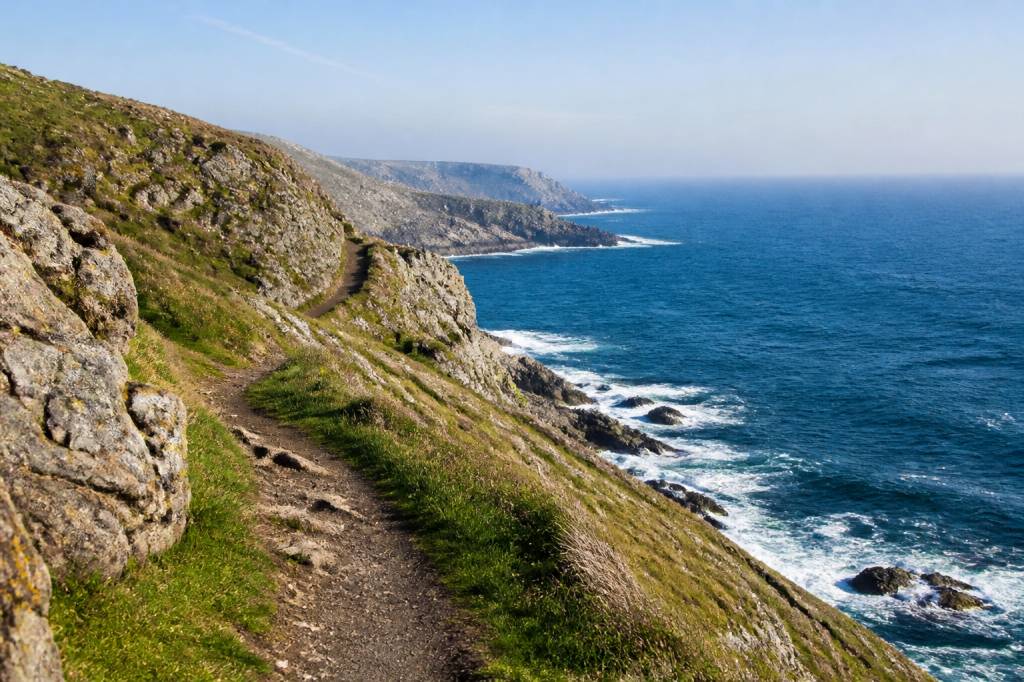
If you want sea views without the crowds, the UK has plenty of coastal walks that stay under the radar. Some are tucked behind dunes, others begin at tiny harbours or slipway car parks you could miss if you blink. That is part of the appeal. You get space, sound, and scenery that feels far bigger than the footpath itself.
These are not always the famous cliff-top routes that appear on every weekend list. Instead, they are quieter stretches where you can hear waves hitting rock, birds cutting across the wind, and little else. They work well if you want a proper walk, a bit of fresh air, and dramatic views without queueing for a photo spot.
Below are some of the best hidden coastal walks in the UK, with practical notes on what to expect, when to go, and why each one is worth your time.
Why hidden coastal walks are often the best walks
The most rewarding coastal walks are not always the most obvious ones. A quieter route usually means fewer interruptions, more wildlife, and a better sense of the landscape. You also get a more relaxed pace. No shuffling around other walkers. No waiting for a clear shot of the horizon. Just a path, the sea, and a bit of weather doing its thing.
They are also easier to enjoy if you like variety. A good hidden coastal walk often combines several features in one outing: sandy sections, rocky headlands, sheltered coves, old fishing villages, salt marshes, and long views across open water. The scenery can change every ten minutes, which keeps the walk feeling fresh.
As ever with the coast, conditions matter. Tides, wind, and exposed paths can all change the experience quickly. A quiet walk is lovely. A quiet walk in the wrong boots, at the wrong tide, with a side wind that feels personally offended, is less lovely.
Robin Hood’s Bay to Ravenscar, North Yorkshire
This stretch of the Yorkshire coast is one of the best choices if you want drama with a sense of space. The walk between Robin Hood’s Bay and Ravenscar follows a section of the Cleveland Way and gives you cliff-edge views, wide skies, and a good chance of spotting seabirds. On clear days, the coastline feels endless.
Robin Hood’s Bay itself is a strong start. It is steep, old, and full of character, with narrow lanes that drop towards the beach. From there, the route climbs quickly onto the cliffs. The path is straightforward, but the ascent is steady, so take your time. The reward is a sweeping view back over the bay and, beyond that, a coast that seems to fold into itself.
Ravenscar is quieter still. It is a small place with a windswept feel and fewer facilities than the bigger resort towns, which only adds to the appeal. This is a walk for people who like open air, geological drama, and a proper sense of remoteness without being completely off grid.
Useful tip: check the weather before you set off. The clifftop sections can be exposed, and the path can feel very different in a strong wind. Good boots help, especially after rain.
St Abb’s Head and the coast south of Eyemouth, Scottish Borders
St Abb’s Head is a superb coastal walk for anyone who likes wildlife as much as scenery. The cliffs are high, the views are wide, and the birdlife is often excellent. Puffins are the headline attraction in season, but you may also see guillemots, kittiwakes, and fulmars. It is the kind of place where you can walk slowly and still feel like you are seeing a lot.
The National Trust for Scotland manages the reserve, and the paths are generally well maintained. You can take a circular route, which makes it easier to plan as a half-day outing. The harbour at St Abbs offers a neat place to begin or end, and the village itself is compact and pleasant without feeling overdeveloped.
For a quieter extension, head further south towards Eyemouth along the coast. This section is less dramatic in places, but it gives you a more varied shoreline, with sheltered bays and cliff sections. It also tends to be less busy than the most photographed parts of the route.
- Best for: seabirds, cliff views, and a calm pace
- Good to know: spring and early summer are prime birdwatching months
- Watch for: exposure to wind on the headland
Pendeen to Cape Cornwall, Cornwall
West Cornwall is famous for its coast path, but some sections still feel surprisingly quiet if you pick your timing well. The walk from Pendeen to Cape Cornwall is a good example. It combines old mining landscape, rugged sea views, and a more understated atmosphere than some of the busier Cornish hotspots.
This area feels shaped by both nature and industry. You will pass stone remains, engine houses, and stretches of rough grassland before reaching the headland at Cape Cornwall, where the sea opens up in every direction. On a clear day, the views are excellent. On a misty day, they are even better in a different way. Cornwall knows how to do atmosphere.
Cape Cornwall itself is smaller and less showy than Land’s End, which is part of its charm. It feels more like a place to pause than perform. The route works well for walkers who want striking scenery without the constant stream of visitors that can gather elsewhere in the county.
Practical note: parking can be limited in summer, so arriving early is worth it. If you want to stop for food afterwards, St Just has several sensible options nearby, including pubs and cafés that suit a post-walk meal.
Flamborough Head’s quieter coastal stretches, East Yorkshire
Flamborough Head is known for its cliffs and chalk formations, but the quieter side of the area often gets overlooked. While the main viewpoints can be busy, the surrounding paths still offer excellent coastal walking if you move away from the most obvious access points. The result is a walk with bright white cliffs, sea caves, and broad views over the North Sea.
The terrain here is more varied than people expect. You get firm cliff-top paths, grassy sections, and occasional descents towards the shore. This keeps the walk interesting and gives you plenty of places to stop. The light on the chalk is especially good in the late afternoon, when the cliffs can almost glow.
One useful strategy is to start from one of the smaller car parks or village approaches rather than the main visitor areas. That can make a real difference if you prefer a quieter route. The seascape remains dramatic, but the experience feels more personal and less like a shared queue.
- Best for: bright cliffs, sea arches, and easy access from the Yorkshire coast
- Good to know: some sections are exposed, so wind can be strong even on clear days
- Local bonus: there are good fish and chip stops in nearby coastal towns
The Isle of Anglesey Coast Path near South Stack
Anglesey is one of the UK’s strongest coastal walking destinations, but not every section gets the same attention. The area near South Stack is famous for its lighthouse and cliffs, yet you can still find quieter stretches if you continue along the Coast Path beyond the most visited viewpoints.
This is a walk of strong contrasts. At one moment you are on a high cliff with the sea stretching out below you. A little later, you are in a more sheltered section with rough grass, heather, and a sense of open island space. The route is good for walkers who want views that feel big without needing a difficult hike.
South Stack is particularly good in late spring and summer, when the bird activity is lively and the light tends to stay good for longer. The route is also flexible. You can make it short and simple, or continue for a longer outing depending on time and energy.
For practical planning, check where you will park. Some of the most obvious spots fill up quickly, especially during school holidays. If you want the quietest experience, aim for an early start or go later in the day when day-trippers have usually moved on.
Morte Point, North Devon
North Devon is often associated with big beaches, but the coastal walks around Morte Point offer something sharper and more dramatic. This is a rugged headland near Woolacombe, with rocky outcrops, sea views, and a wild feel that is especially impressive in changing weather.
The path around Morte Point is relatively short compared with some longer coastal routes, but it packs a lot in. The views are open and wide, with cliffs dropping towards the sea and rocks that look as if they were placed there for effect. It is a good choice if you want a manageable walk that still feels substantial.
This area is also useful if you are staying in Woolacombe or nearby and want a walk that gets you away from the beach crowds. It is easy to combine with a longer day out, a pub lunch, or a stop in one of the smaller villages nearby.
Take care after wet weather. Some parts of the route can be slippery, and the wind at the point itself can be strong. If you are carrying a camera, hold onto it. The coast has no respect for loose hats, maps, or snacks.
The South West Coast Path near Kynance Cove, Cornwall, but away from the main viewpoint
Kynance Cove is well known, and for good reason. The rocks, colours, and tidal shapes are among the most photogenic on the English coast. But the key to enjoying this area quietly is to walk beyond the main cove viewpoint and use the surrounding path network.
Once you move away from the most visited access point, the atmosphere changes quickly. The cliffs remain spectacular, but the footfall drops off. You can enjoy sections of the South West Coast Path where the sea view feels almost uninterrupted, and the sound of the waves becomes part of the walk rather than background noise.
This is a strong option if you want classic Cornish scenery but prefer to avoid the busiest pinch points. It works especially well in shoulder seasons, when the colours are still rich and the path is easier to enjoy without crowds.
- Best for: dramatic rock formations and classic Cornish coastal scenery
- Tip: arrive early or late to avoid the heaviest visitor periods
- Useful to know: some routes involve steps and uneven ground
Practical tips for planning a quiet coastal walk
A hidden coastal walk is usually easiest to enjoy when you plan a little in advance. That does not mean overcomplicating it. It just means checking a few things that make a clear difference on the day.
- Check tides if your route includes beaches, coves, or shoreline sections.
- Wear proper footwear, especially after rain or on rocky ground.
- Bring layers. Coastal weather can change fast, even on calm-looking days.
- Start early if you want parking and quieter paths.
- Carry water and a snack, particularly on longer cliff routes with limited facilities.
- Look up local access information if your walk crosses nature reserves or private land with seasonal restrictions.
If you are combining the walk with a day out, think about what comes after. A nearby café, pub, or simple village bakery can make the whole trip feel more complete. Sometimes the best part of a coastal walk is the meal you have at the end with sandy boots under the table.
How to choose the right hidden walk for you
The best route depends on what you want from the day. If you want wildlife, go for St Abb’s Head. If you want raw cliff scenery, try Flamborough or North Devon. If you want a strong sense of place, Robin Hood’s Bay or Cape Cornwall are excellent. If you want flexibility and long views, Anglesey is hard to beat.
It also helps to be honest about the kind of walk you actually want. Some routes are short but steep. Others are longer but gentler. Some have plenty of facilities nearby, while others are best enjoyed with everything packed in advance. The quieter the coast, the more self-sufficient you may need to be.
That said, none of these walks require specialist gear or serious hiking experience. They are simply good routes in good places, with enough character to make the effort worthwhile. And that is often exactly what people are looking for: a walk that feels rewarding without becoming a project.
If your ideal day includes fresh sea air, big views, and a route where you can still hear yourself think, these hidden coastal walks are an excellent place to start. Pick one, check the tide and the weather, and head out early. The coast tends to be at its best before everyone else turns up.