


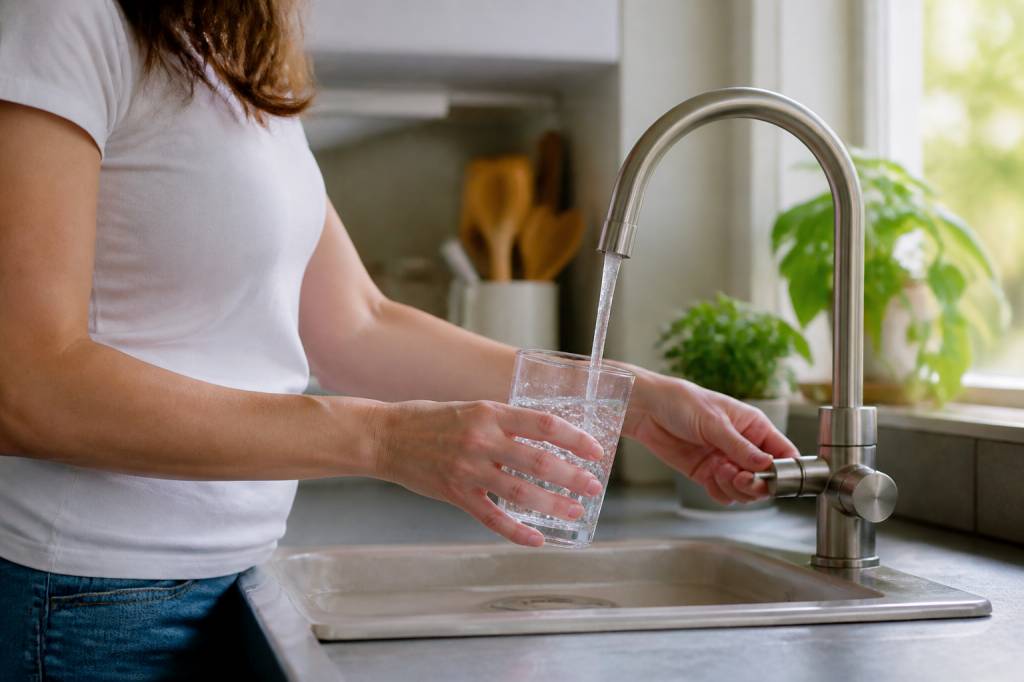
When you travel in the UK, tap water is usually the least of your worries. It is widely treated, closely monitored, and safe to drink in most places. But in recent years, one topic has started to appear more often in public health discussions: PFAS in water. If you have never heard of PFAS before, you are not alone. If you are planning a trip, staying in a rural cottage, or filling your bottle at a hotel sink, it is worth knowing what these chemicals are, how they are regulated in the UK, and whether they should affect your drinking water choices.
For travellers, the short answer is reassuring. In most parts of the UK, drinking water is safe. PFAS are being monitored, standards are tightening, and water companies are under increasing pressure to reduce contamination. Still, it helps to understand where the risks are, what signs to look for, and when bottled water or extra caution may make sense.
What PFAS are and why they are getting attention
PFAS stands for per- and polyfluoroalkyl substances. That is a mouthful, so most people simply call them “forever chemicals”. The nickname is not cheerful, but it is accurate. These substances break down very slowly in the environment. They can build up in soil, rivers, groundwater, and even in the human body over time.
PFAS have been used in many everyday products. Think non-stick pans, stain-resistant fabrics, food packaging, firefighting foams, and some industrial processes. The problem is that once they enter the environment, they are hard to remove. Water treatment can reduce them, but not always completely.
Why should travellers care? Because water is part of every trip. You drink it in your hotel room, you refill your bottle at a café, you brush your teeth with it, and sometimes you just trust the tap without thinking twice. That trust is usually justified in the UK, but PFAS has pushed water quality higher up the list of things informed visitors may want to check, especially in certain areas.
How safe is tap water in the UK?
In general, UK tap water is safe to drink. It is one of the most regulated public utilities in the country. Water companies are required to meet strict standards, and public health authorities regularly monitor quality. For the vast majority of visitors, there is no need to avoid tap water simply because of PFAS concerns.
That said, “safe” does not mean “identical everywhere.” Water quality can vary slightly by region. Some areas rely more on groundwater, others on reservoirs or surface water. Some places have older infrastructure. Some water supplies have been the subject of local monitoring or temporary concern due to industrial history, land use, or firefighting foam contamination.
For travellers, this means the smart approach is not panic. It is awareness. If you are staying in a major city, a standard hotel, or a well-served town, tap water is usually fine. If you are staying somewhere more remote, in older accommodation, or in an area that has had reported contamination issues, it is sensible to ask questions or check local guidance.
Where PFAS contamination is more likely to appear
PFAS can enter water in a few ways. The most common are industrial sites, landfills, military bases, airports, and places where firefighting foam has been used. These chemicals can also seep into groundwater and surface water, which makes the issue broader than one building or one tap.
For travellers, the highest-profile concern is usually not the average hotel in London, Manchester, or Edinburgh. It is more likely to be a localised issue near a known contamination source. In practice, this may affect private wells, rural properties, or specific communities where monitoring has identified elevated levels.
It is also worth noting that not every water supply in a flagged area is automatically unsafe. Authorities may issue advice, increase testing, or change treatment methods. So, if you read a headline about PFAS in a region, do not assume every tap in that area is off-limits. Local details matter.
In simple terms, the places that deserve a bit more attention are:
- Stays near industrial estates or former industrial land
- Accommodation using private boreholes or wells
- Properties near airports, military sites, or fire training areas
- Rural rentals where water treatment is less visible to guests
- Any location mentioned in local water advisories or recent news reports
What the UK is doing about it
The UK is not ignoring PFAS. Water companies, regulators, and public health agencies have been increasing testing and reviewing standards. The challenge is that PFAS is a large group of chemicals, and not all of them behave in exactly the same way. That makes regulation more complex than simply testing for one substance.
In recent years, there has been more focus on lowering allowable limits, expanding monitoring, and improving treatment where needed. Some water companies are investing in activated carbon or other filtration systems that help reduce PFAS levels. That is the good news. The less glamorous part is that these upgrades take time and money, which means progress is not uniform across the country.
As a traveller, this means the system is working in the background, even if you do not see it. Most of the time, that is exactly what you want from a drinking water network. No drama, no strange taste, no faff.
How to tell if your drinking water deserves a second look
Most visitors will never need to worry about PFAS specifically. But if you want a practical checklist, here it is. These are the signs that a little extra caution may be useful.
- Your accommodation uses a private water supply, borehole, or well
- The host mentions water filters, bottled water, or “not for drinking” notices
- You are staying in an area with recent local news about contamination
- The water has an unusual smell, metallic taste, or visible cloudiness
- Local authorities have issued guidance for the area
Of course, taste is not a scientific test for PFAS. You cannot detect these chemicals by sniffing your glass and playing detective. But unusual water quality can still be a useful prompt to ask a question. If the water looks, smells, or tastes odd, do not shrug it off.
What travellers should do in hotels, rentals, and countryside stays
Hotel stays in the UK are straightforward most of the time. Tap water is generally safe, and many hotels provide clear information if there is anything unusual. Still, if you are concerned, there is nothing rude about asking the front desk whether the tap water is from a mains supply and whether it is suitable for drinking. Staff are used to this kind of question.
For holiday cottages, farm stays, and rural rentals, the issue can be a little different. Some properties use private supplies, especially in remote locations. In that case, the owner should be able to tell you whether the water is tested and how often. If you cannot get a clear answer, it is reasonable to use bottled water for drinking and brushing your teeth until you do.
Here is a practical approach that works well on the road:
- Ask whether the property uses mains water or a private supply
- Check whether the host provides recent water testing information
- Use bottled water if the supply is unclear or flagged by local advice
- Bring a refillable bottle with a filter if you prefer extra peace of mind
- When in doubt, drink from a known safe source rather than guessing
That last point matters. Travelling is already full of small uncertainties. Drinking water should not be one of them.
Should you buy bottled water in the UK?
Many travellers do, mainly out of habit. In most of the UK, it is not necessary. Tap water is usually safe, cheap, and environmentally better than buying plastic bottles every day. If your only reason is fear of PFAS, bottled water is not automatically a magic solution either. Some brands use the same general water sources as everyone else, and packaging does not tell you much about contamination history.
If you are worried, a better option may be to choose accommodation with clear mains-water supply information, use a portable filter designed to reduce PFAS, or rely on official local guidance. Bottled water can still make sense in specific situations, especially in places with a known issue or when you are unsure about a private supply. But as a daily habit, it is usually unnecessary.
One useful rule: buy bottled water because you need it, not because the internet made you nervous at 11 p.m. after one alarming headline.
Do water filters help?
Some do, some do not. If you want a filter for PFAS reduction, look for products specifically tested for that purpose. Basic jug filters may improve taste and reduce chlorine, but they do not necessarily remove PFAS effectively. The key is certification and product details, not marketing language that sounds impressive but says very little.
For travellers, a portable filter bottle can be useful if you spend time in places where tap water is uncertain or if you want extra reassurance during a longer stay. Just make sure you understand what the filter actually removes. Not all “water filters” are equal, and not all are designed for this type of contaminant.
What about filling a reusable bottle?
In most UK cities and towns, refilling a reusable bottle from the tap is still the sensible, normal thing to do. It saves money and reduces plastic waste. If you are in a known safe area, keep doing it.
If you are unsure about the source, ask before refilling. Many cafés and public venues are happy to help, especially if they are connected to the mains supply. If you are out walking, visiting attractions, or taking a day trip, carrying your own bottle is still a good idea. Just pair it with a bit of judgment.
For families travelling with children, this is especially useful. Kids drink more than you expect, and they are not always thrilled by sudden changes in taste. Having a trusted refill plan avoids unnecessary stress.
Useful questions to ask before you drink
If you want a quick checklist for your trip, these questions are practical and easy to use:
- Is this accommodation connected to the mains water supply?
- Has the property had any recent water testing?
- Are there any local advisories about drinking water?
- If there is a private supply, is it treated and monitored regularly?
- Is bottled water recommended for drinking or cooking here?
You do not need to sound suspicious or dramatic. A simple, polite question is enough. Good hosts and hotel staff are usually happy to answer.
The bottom line for visitors to the UK
PFAS in water is a real issue, but for travellers in the UK it is usually a background concern rather than a day-to-day problem. Tap water remains safe in most places. The most important exceptions are areas with known contamination, private water supplies, or local advisories that deserve attention.
If you are travelling soon, the best approach is simple. Use tap water in standard hotels and public places unless you have a reason not to. Ask about private supplies in rural accommodation. Watch for local guidance. And if you want extra reassurance, use a suitable filter or bottled water in specific situations rather than making assumptions.
Travelling should feel enjoyable, not like a chemistry exam. A little awareness is enough to stay sensible, safe, and hydrated.