


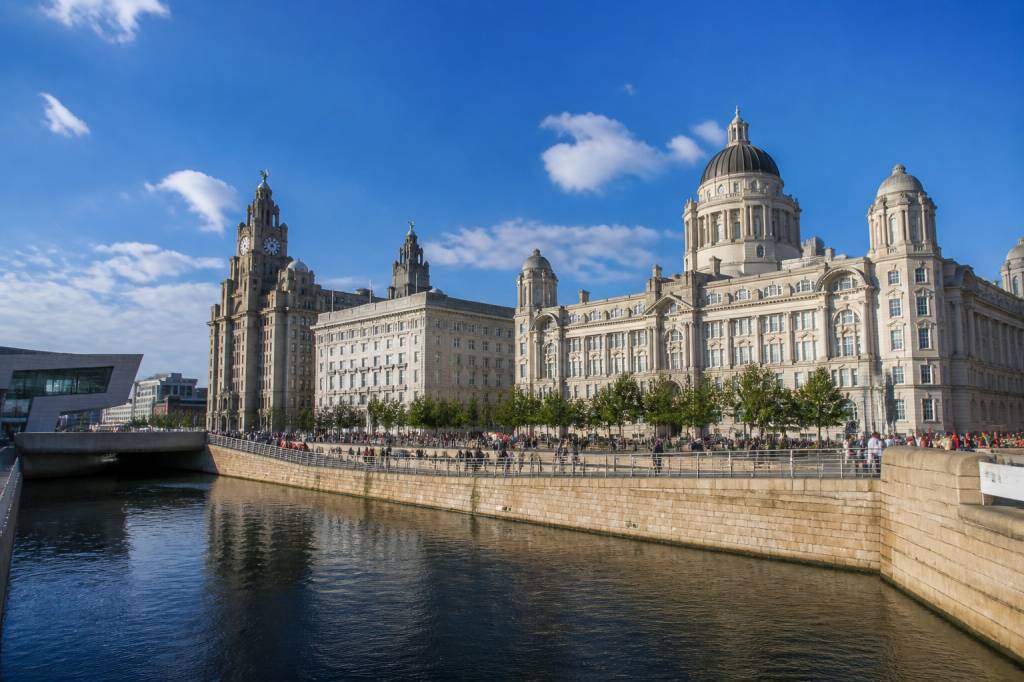
Liverpool is one of those UK cities that feels easy to enjoy from the moment you arrive. It has a compact centre, a strong sense of history, and plenty to do whether you are planning a short city break, a football weekend, or a longer stay with family or friends. It is also a city that rewards simple planning. Know which areas to explore, where to eat, and where to sleep, and you can make the most of your time without wasting hours moving around.
Best known for The Beatles, the waterfront, and its football culture, Liverpool offers much more than the obvious highlights. There are museums, galleries, dockside walks, shopping streets, lively neighbourhoods, and a food scene that has grown steadily in recent years. The city is friendly, walkable in the centre, and generally good value compared with many other UK destinations. If you are wondering what to do, what to see, and where to stay, this guide covers the essentials in a practical way.
Why Liverpool is worth a visit
Liverpool has a clear identity. That is part of its appeal. You can feel the city’s maritime past in the docks, see its music history everywhere, and catch a strong local pride in the way people talk about the city. It is not polished in a generic way. It has personality, and that makes it memorable.
The city centre is easy to navigate, especially around the waterfront, the commercial district, and the Albert Dock area. Many of the main attractions are close together, so you can see a lot in one day without rushing. If you like city breaks with a mix of culture, sightseeing, shopping, and a good pub stop at the end, Liverpool works well.
Things to do in Liverpool
There is no shortage of things to do in Liverpool, but some experiences should be near the top of your list. A good visit usually combines iconic sights with a few local stops that give you a better sense of the city.
- Explore the Royal Albert Dock – This is one of Liverpool’s most visited areas, and for good reason. The restored dock buildings now house museums, restaurants, bars, and shops. It is a pleasant place to walk at any time of day, especially if the weather is clear. You also get good views across the water and a strong sense of Liverpool’s maritime history.
- Visit The Beatles Story – If you are even slightly interested in The Beatles, this museum is worth your time. It gives a detailed look at the band’s journey, from Liverpool roots to global fame. The audio guides are helpful, and the location at Albert Dock makes it easy to combine with other nearby attractions.
- Take a ferry across the Mersey – Yes, it is touristy. No, that does not make it a bad idea. The ferry gives you excellent views of the waterfront and is a simple way to see the city from the water. It is also one of the easiest things to fit into a short visit.
- Walk along the waterfront – Liverpool’s waterfront is open, spacious, and ideal for a relaxed walk. You will pass the Three Graces, see the river, and get a better feel for the scale of the port city. It is especially nice early in the morning or around sunset.
- Visit the Cavern Quarter – This is where Liverpool leans into its music heritage. The streets are lively, the pubs are busy, and live music is common. It can get crowded at night, but that is part of the atmosphere.
- Spend time at the museums and galleries – The World Museum, Walker Art Gallery, and Museum of Liverpool are all strong options. The good news is that several of the city’s major museums are free to enter, which makes Liverpool a good choice if you want to do more without stretching your budget.
The best local attractions to see
Some attractions in Liverpool are famous. Others are simply useful if you want to understand the city better. The best approach is to combine the big names with a few quieter stops that reveal more of the local character.
Liverpool Cathedral is one of the most striking buildings in the city. It is huge, and the scale is hard to appreciate until you stand outside it. Inside, the space is impressive and calm, and the tower visit offers wide views if you do not mind the climb or lift. It is worth checking opening times in advance, as these can vary by day and season.
Metropolitan Cathedral, often called “Paddy’s Wigwam” by locals, is very different in style. It is modern, circular, and visually bold. If you enjoy architecture, visiting both cathedrals gives you a neat contrast. They are not right next to each other, but the walk between them is manageable and passes through the city centre.
St George’s Hall is another standout. The exterior is grand, and the interior often surprises visitors with its scale and detail. It sits near Lime Street, so it is easy to reach if you are arriving by train.
Walker Art Gallery is a good choice if you like classical art, sculpture, and a quieter museum experience. It is less hectic than some attractions and easy to pair with nearby sights.
Anfield and Goodison Park remain major draws for football fans. Even if you are not attending a match, stadium tours are popular and usually book up in advance on busy dates. If your trip overlaps with a match day, plan ahead early. Accommodation prices can rise quickly, and traffic around the stadiums can be heavier than expected.
Sefton Park offers a different pace altogether. It is a large green space south of the centre and a good option if you want fresh air after a busy morning in town. Nearby, the Palm House is another pleasant stop, especially if you are looking for a calmer part of the city.
Where to stay in Liverpool
Choosing the right area makes a big difference in Liverpool. The city is not difficult to get around, but staying in the right neighbourhood can save time and make evenings simpler.
City Centre is the most practical choice for first-time visitors. You will be close to Lime Street station, shops, restaurants, museums, and several major attractions. This is the best option if you want to walk to most places and keep transport simple. It is especially convenient for short stays.
Albert Dock and the Waterfront is ideal if you want a scenic setting. Hotels here are often popular with couples and leisure travellers. You will be close to the river, the Beatles attractions, and the Museum of Liverpool. The area is attractive, though it can feel quieter in the evening than the city centre.
Georgian Quarter is a strong option if you prefer character and a slightly more local feel. The streets are attractive, and you will be near the cathedrals, theatres, and some good independent cafés. It is a nice base if you enjoy walking and want something a bit less busy than the commercial centre.
Ropewalks works well if you want restaurants, bars, and nightlife nearby. It is lively, especially at weekends, and suits travellers who do not mind a bit of evening noise. If you are planning late nights, this area is convenient.
Near the stadiums can be useful if you are in town for football. However, this is usually the best choice only if your main reason for visiting is a match or stadium tour. For a general city break, the centre is more flexible.
Types of accommodation to consider
Liverpool offers a wide range of accommodation, from budget-friendly chains to boutique hotels and serviced apartments. The right choice depends on how you travel.
- Budget hotels – Good for short stays and visitors who mainly need a clean, central base. Many are located near the station or city centre.
- Boutique hotels – Better if you want style and a more personal feel. These often work well in the Georgian Quarter or near the docks.
- Serviced apartments – A practical choice for families, groups, or longer stays. Having a kitchen and extra space can make a city break easier.
- Luxury hotels – Liverpool has a few higher-end options, particularly around the waterfront and in central areas. These are useful if you want a more relaxed stay with on-site dining or spa facilities.
If you are visiting during a major event, book early. This applies to football weekends, concerts, and peak summer dates. Liverpool can fill up quickly, and the best-value rooms tend to go first.
Food and drink in the city
Liverpool has a mixed food scene, with everything from classic pub meals to independent restaurants and casual brunch spots. You will find plenty of choice in the city centre, around Bold Street, and near the docks.
Bold Street is a particularly good area for food. It has cafés, bakeries, street-food-style places, and restaurants serving a range of cuisines. If you like browsing before choosing where to eat, this is a good street to walk down. There is usually something for every budget.
For a more relaxed lunch, the Albert Dock area has several reliable options. It is not the cheapest part of the city to eat, but it is convenient if you are sightseeing nearby. In the evening, Ropewalks and parts of the city centre offer more choice for dinner and drinks.
If you want a traditional pub stop, Liverpool has plenty. Many pubs around the centre are lively but welcoming, and you can usually find decent food as well as a good pint. Some venues are clearly aimed at visitors, while others feel more local. A quick look at the menu outside is often enough to tell the difference.
For a simple recommendation: start the day with breakfast or coffee in the city centre, grab lunch near wherever you are sightseeing, and save dinner for either Bold Street or the waterfront. That approach keeps travel time low and avoids backtracking.
Getting around Liverpool
One of Liverpool’s biggest advantages is that the main sights are fairly close together. You can walk between many of them, especially if you are staying centrally. The waterfront, museums, and shopping areas are all within reasonable reach of each other.
Taxis and ride-hailing services are easy to use when needed. Public transport is also available, with buses and trains linking the city centre to wider Liverpool. If you are heading to the football stadiums or the airport, it helps to allow extra time, especially on busy days.
A few practical points make the visit smoother:
- Wear comfortable shoes, as the best way to see Liverpool is often on foot.
- Check opening hours for museums and cathedrals before you go.
- Book stadium tours and popular restaurants in advance if your dates are fixed.
- Allow extra time around match days and major events.
- If the weather changes, have a museum or indoor attraction ready as a backup. It is the UK, after all.
A simple itinerary for a short stay
If you only have one or two days, keep the plan focused. Liverpool is easy to overpack, but you will enjoy it more if you leave space to wander.
On a first day, start at the waterfront and Albert Dock, then visit the Museum of Liverpool or The Beatles Story. Walk through the city centre in the afternoon, stop for coffee or lunch on Bold Street, and finish with dinner in the Ropewalks area or a pub near the centre.
On a second day, choose between the cathedrals, St George’s Hall, a stadium tour, or a museum and gallery combination. If you want some green space, Sefton Park is a good afternoon add-on. If the weather is fine, a Mersey ferry ride is a nice way to break up the day.
Liverpool works well because it offers a lot without feeling complicated. You can visit for the culture, the football, the music history, or simply for a change of pace. Whatever the reason, the city gives you enough structure to plan easily and enough variety to keep the trip interesting from start to finish.