


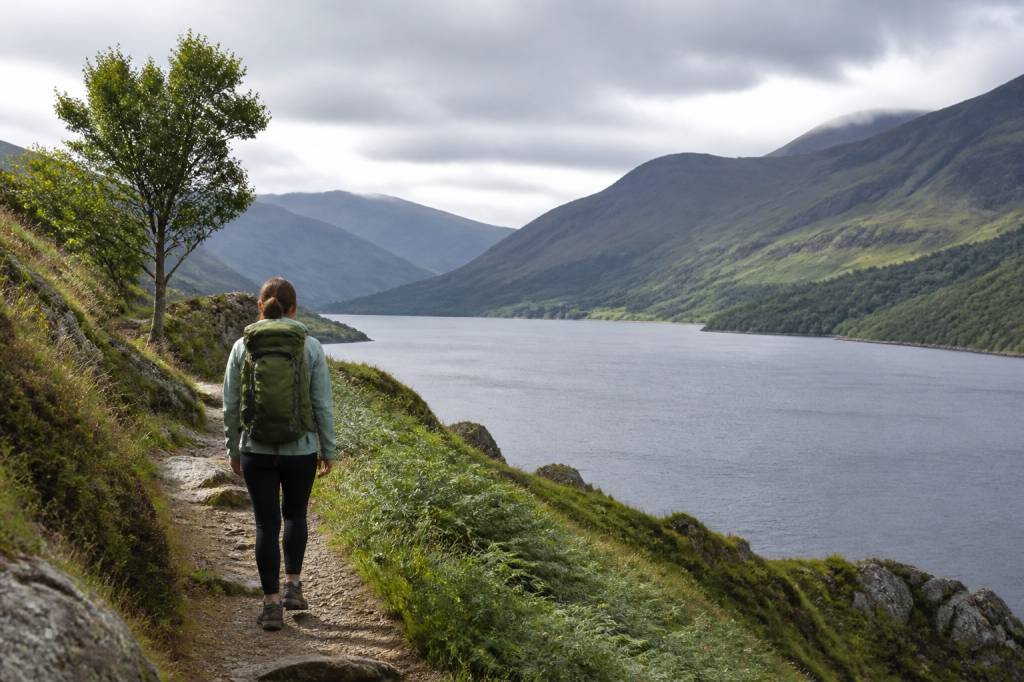
The Lake District is one of the most visited places in England for a reason. It has dramatic fells, clear lakes, stone villages, quiet valleys, and some of the best walking routes in the country. But that popularity also creates pressure. Footpaths wear down, car parks fill quickly, wildlife gets disturbed, and litter can build up in places that should stay wild.
Exploring the Lake District responsibly does not mean doing less. It means doing it better. A few small choices can help protect the landscape, support local communities, and make your visit more enjoyable too. After all, nobody wants to spend a perfect day in the Lakes stuck in traffic, slipping on eroded paths, or stepping around discarded coffee cups.
Plan ahead so you leave less of a footprint
Good planning is one of the simplest ways to travel responsibly. The Lake District is beautiful, but it is not a place where you can always arrive and “figure it out later.” Popular spots such as Windermere, Ambleside, Keswick, Grasmere, and Ullswater can be busy, especially on weekends and during school holidays.
Before you set off, check:
- Weather forecasts for the exact area you want to visit
- Parking options and opening times
- Bus and ferry timetables, if you plan to use public transport
- Walking route difficulty and estimated time
- Any seasonal closures or maintenance work
That last point matters more than many visitors expect. A path that looks easy on a map may be boggy, steep, or unsuitable after heavy rain. Choosing the right route reduces the chance of needing rescue or damaging fragile ground by trying to find a shortcut that does not exist.
It is also worth booking accommodation early if you are staying overnight. Smaller guesthouses, campsites, and independent hotels often fill fast in peak periods. Booking ahead helps local businesses plan and avoids the temptation to drive from village to village looking for a last-minute room.
Use public transport where possible
The Lake District can be explored without relying entirely on the car. In fact, some of the best experiences are easier if you leave the vehicle behind. Buses connect many of the main towns and villages, and boat services on Windermere, Ullswater, and Derwentwater can turn travel time into part of the experience.
Public transport helps in two clear ways. First, it reduces congestion on narrow roads that were never designed for modern visitor numbers. Second, it lowers pressure on car parks near beauty spots and trailheads.
If you are staying in one base, consider day trips using buses and ferries. For example:
- Keswick is well placed for bus access to Borrowdale and Buttermere
- Windermere and Bowness have good connections to nearby attractions and lake cruises
- Ambleside works well for exploring without driving every day
If you do need to drive, try to car share. One full car is far better than several half-empty ones. And if a car park is already full, do not park on verges or block gateways. That damages land, frustrates residents, and can prevent emergency access.
Stick to paths and protect fragile ground
The Lake District receives millions of visitors each year. Even when people mean well, repeated footfall can widen paths, loosen soil, and damage vegetation. This is especially true on popular hill routes where the ground is already exposed to wind and rain.
Walking only on marked paths may sound obvious, but in practice it is one of the most important things you can do. When people step off the path to avoid mud or pass others, the route gets wider and more damaged. A wider path means more soil erosion, more runoff, and more maintenance work.
On wet days, the temptation to cut across a corner is understandable. Nobody enjoys knee-deep mud. Still, the better choice is to stay on the established route and accept that your boots may come home dirty. That is what washing machines are for.
If you are planning to climb popular peaks such as Scafell Pike, Helvellyn, or Skiddaw, wear proper footwear and expect changeable conditions. Good boots reduce slips and help you stay on the path instead of creating new tracks through sensitive ground.
Keep dogs under control
Dogs are welcome in much of the Lake District, but they must be managed responsibly. This is not just about dog owners being considerate. It directly affects sheep, ground-nesting birds, and other wildlife.
In upland areas and near farmland, keep dogs on a lead when required and under close control at all times. Even a friendly dog can frighten livestock or chase birds without meaning to. During lambing season, the risk is especially high.
Before walking, check whether dogs are allowed on your chosen route or attraction. Some sites, cafés, and boat trips have restrictions. It is better to know in advance than to arrive and find out at the gate.
Do not assume “my dog is gentle” is enough. Sheep do not know that, and they are not usually impressed by good intentions.
Take your litter home, including the small stuff
The most responsible visitor is the one who leaves no trace. That includes food wrappers, drink bottles, tissues, apple cores, banana skins, and dog waste bags. Natural waste does not vanish harmlessly just because it is organic. It can attract animals, spread disease, and spoil the landscape for others.
Bring a small bag for rubbish and keep it with you until you find a proper bin. If bins are full, take your waste home. That simple habit makes a real difference in busy areas where facilities can overflow quickly.
It is also worth thinking about what you bring in the first place. Reusable water bottles, coffee cups, and snack containers cut down on single-use waste. If you are packing a picnic, choose items that do not create a lot of packaging and that can survive being carried around all day without turning into a soggy mess.
Respect wildlife from a distance
The Lake District is home to a wide range of wildlife, from red squirrels and deer to birds of prey and aquatic life in the lakes. Seeing animals in the wild is one of the highlights of visiting, but it should never come at the cost of stressing them or changing their behaviour.
Follow a simple rule: look, photograph, and move on. Do not feed wildlife. Human food can harm animals and encourage them to approach people, which often ends badly for the animal.
Keep noise low near nesting areas, reed beds, and quieter paths. If you are lucky enough to spot wildlife, enjoy the moment without getting too close. A zoom lens works better than walking straight up to a bird or deer because you want a better photo.
Spring and early summer are especially sensitive times. Birds may be nesting on ground that looks empty at first glance. What seems like harmless curiosity can destroy a nest or drive adults away from eggs or chicks.
Support local businesses that work with the place, not against it
Responsible travel is not only about what you avoid doing. It is also about where you spend your money. The Lake District has many independent cafés, pubs, farm shops, outdoor guides, craft stores, and small accommodation providers that depend on visitor income.
Choosing local businesses helps keep money in the area and supports people who live and work there all year. That matters in a region where seasonal tourism can be uneven and where local services face constant pressure.
Practical ways to do this include:
- Eating in independent cafés and pubs rather than relying only on chains
- Buying local produce, cheese, baked goods, and gifts
- Using local guides for walks, lake activities, or history tours
- Staying in family-run guesthouses, B&Bs, or eco-conscious accommodation
Many local businesses also put sustainability into practice in ways visitors can see. Some source food locally, reduce packaging, offer refillable toiletries, or provide secure bike storage. Choosing them sends a clear message that these efforts matter.
Choose activities that fit the landscape
Not every activity belongs in every place. The Lake District is best enjoyed through experiences that suit the environment rather than fight it. Walking, cycling, sailing, paddleboarding, boat trips, wildlife watching, and visiting heritage sites are all good options when done carefully.
If you are interested in water activities, use designated launch points and follow local guidance. Lakes are beautiful, but they are also working environments for wildlife, ferries, fishing, and other users. Keep to safe and permitted areas, especially where fragile shorelines could be damaged.
For walkers and cyclists, choose routes that match your ability. Shorter, lower-level paths are often just as rewarding as the famous mountain climbs. In fact, some of the most memorable views in the Lake District come from valley walks, lakeside trails, and quiet lanes lined with dry stone walls.
That approach has another benefit. Spreading visitors across a wider range of routes reduces pressure on the busiest spots. Everyone enjoys the area more when one famous viewpoint is not carrying all the traffic.
Be thoughtful in villages and residential areas
The Lake District is not a theme park. People live there, work there, and get on with everyday life among the visitors. A little courtesy goes a long way.
In villages and towns, park legally, keep noise down, and avoid blocking drives or shop entrances. Be careful when taking photos around homes or private gardens. Not every charming stone cottage is part of the public attraction, even if it looks perfect on Instagram.
If you are visiting cafés, pubs, or shops, be patient during busy times. Staff in popular places often deal with long queues, limited parking, and unpredictable weather-related rushes. A polite attitude helps, and so does arriving outside peak lunch hour if you can.
It is also wise to check opening times before you set off. Small businesses may close earlier than expected, especially out of season or midweek. A quick online check can save a wasted trip and reduce unnecessary driving.
Travel at quieter times if you can
If your schedule is flexible, visit early in the day, later in the afternoon, or outside the busiest holiday periods. You will usually find easier parking, quieter paths, and a calmer experience overall. The landscape feels very different when you can hear birdsong instead of a line of car doors slamming in a full car park.
Shoulder seasons can be a good choice. Spring and autumn often offer beautiful light, fewer crowds, and a better balance between visitor numbers and local capacity. Winter can also be rewarding if you are prepared for shorter days and more challenging conditions.
Quieter visits are not only more relaxing. They also reduce strain on local services and sensitive sites. When demand is spread more evenly, the area is easier to manage for everyone.
Leave the Lakes as you found them, or better
A responsible visit to the Lake District is mostly about respect. Respect for the land, the wildlife, the people who live there, and the next visitor who wants to enjoy the same view without stepping over litter or eroded ground.
The good news is that the simplest habits often matter most. Stay on paths. Carry your rubbish. Keep dogs under control. Support local businesses. Use public transport when you can. Think ahead before you go.
Do that, and you will not only protect the natural beauty of the Lake District. You will also have a smoother, more rewarding trip yourself. And that is a fair trade for everyone involved.