


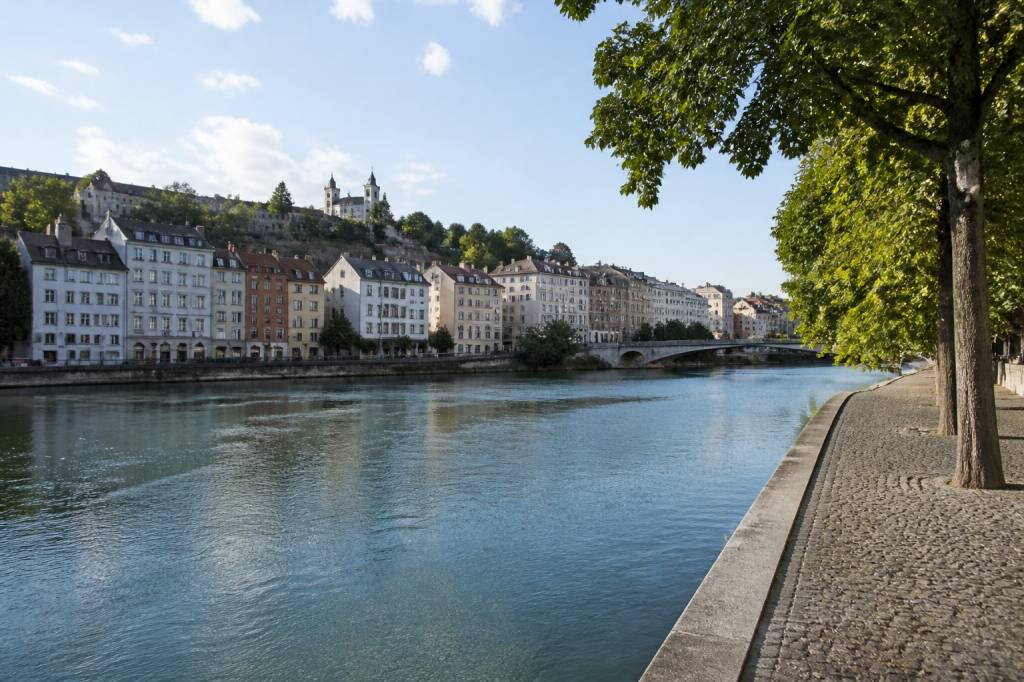
Lyon is one of those cities that rewards a slow, curious visit. It is compact enough to explore with ease, but varied enough to keep you busy for days. You can start the morning with a strong coffee and a warm pastry, spend the afternoon walking through Renaissance streets or along the riverbanks, then finish the day over a plate of local specialities in a traditional bouchon. That mix of food, culture and easy outdoor wandering is exactly what makes Lyon so appealing.
For travellers who want a city break with substance, Lyon is an excellent choice. It has history, but it does not feel frozen in time. It has a serious food reputation, but it is not only for fine dining. It also has long riverside promenades, neighbourhoods with very different personalities, and a pace that feels manageable. In other words, it is a city where you can do a lot without feeling rushed.
Why Lyon is such an easy city to enjoy
Lyon works well for a short break because the main sights are spread across a walkable centre and connected by a good public transport network. The metro, trams and funiculars are straightforward to use, and many of the most interesting areas sit close to the river or within a short ride of one another. If you prefer to explore on foot, that is very possible too, although some of the hills will remind you that Lyon likes to keep visitors moderately active.
The city is also divided into distinct districts, each with its own rhythm. Vieux Lyon brings the history. Presqu’île offers shopping, restaurants and lively squares. The banks of the Rhône and Saône give you open views and space to breathe. Croix-Rousse adds a more local, artistic feel. This variety means you can shape the trip around your own pace, whether you want museums, meals, or long walks with a view.
For many visitors, the best way to experience Lyon is to keep the days flexible. You might plan one major visit, then leave room for a relaxed lunch, a riverside stroll and an unplanned stop at a market or café. That balance suits the city very well.
Start with the food, because Lyon certainly will
Lyon is often called the gastronomic capital of France, and while that phrase gets used a lot, in this case it is earned. Food is not just something you do here at dinner time. It shapes the city’s identity. Markets, bouchons, bakeries, cheese shops and food halls all play a part in the daily rhythm.
If you want to understand Lyon quickly, begin with a proper local meal. A bouchon is the classic place to do it. These are traditional Lyonnaise restaurants known for hearty, regional dishes and an unfussy atmosphere. Expect a menu built around comfort and flavour rather than presentation tricks. Typical dishes may include quenelles, salade lyonnaise, andouillette, sausages, lentils, offal dishes, and generous desserts. This is not light eating, so it helps to arrive hungry.
A few useful points for choosing a bouchon:
- Look for places that serve a short, seasonal menu.
- Book ahead for dinner, especially in the centre or old town.
- Check whether the restaurant is genuinely local in style, rather than just using the label.
- Be ready for portions that are more satisfying than delicate.
For a broader taste of the city, visit Les Halles de Lyon Paul Bocuse. This indoor food market is one of the easiest places to sample the region in a concentrated way. You will find charcuterie, cheeses, pastries, seafood, wine, chocolate and prepared dishes under one roof. It is not the cheapest place to eat, but it is very practical if you want to compare products, grab lunch, or pick up gifts. It also gives you a fast overview of the quality and variety Lyon is known for.
Bakery culture is also worth your attention. A simple croissant here is often a very good croissant. Lyon’s cafés and bakeries are ideal for a morning stop before sightseeing. If you are out early, this is one of the easiest ways to settle into the city without a plan. Coffee, pastry, watch the neighbourhood wake up. It works every time.
Food spots that fit a real day in the city
One of the strengths of Lyon is that food is easy to build into your itinerary. You do not need to reserve every meal at a famous restaurant to eat well. In fact, some of the most useful and enjoyable stops are very ordinary on the outside and very good on the plate.
Here is a simple food rhythm that works well for a day in Lyon:
- Breakfast in a local bakery or café near your hotel.
- Lunch at a market stall, casual brasserie or bouchon.
- Afternoon coffee or a sweet snack in Presqu’île or Vieux Lyon.
- Dinner in a restaurant that specialises in regional cooking or modern Lyonnaise dishes.
If you prefer a lighter lunch, the city has plenty of options too. Salads, tartines, sandwiches and daily specials are widely available. This can be useful if you are planning a longer walk afterwards. Lyon may encourage rich eating, but it does not force you into a food coma before 3pm, which is considerate of it.
Wine is another part of the experience. Lyon sits close to several major wine regions, so it is easy to find good local bottles by the glass. If you are unsure what to choose, ask for a regional pairing with your meal. Staff in better bistros are usually happy to guide you toward something sensible and not too expensive.
Wander through Vieux Lyon and its hidden passages
After eating well, it is time to walk. Vieux Lyon is one of the best places to start because it combines atmosphere, history and very manageable distances. The district is famous for its Renaissance architecture, narrow streets and old courtyard buildings. It is also home to the traboules, the covered passageways that connect one street to another through buildings and courtyards.
These passages are part of what makes Lyon feel different from other French cities. They were originally used by silk workers and later played a role in local history during wartime. Today, they are simply fascinating to wander through. Some are clearly marked and accessible, while others are more discreet. It helps to stay alert and respectful, since many passages pass through residential buildings.
Vieux Lyon is best enjoyed without a rigid route. Let yourself drift between lanes, stop for a look at the façades, and pause in one of the small squares when you need a break. There are also museums in the area if you want a deeper look at the city’s past, but even without a museum visit, this neighbourhood gives you a strong sense of Lyon’s character.
One practical note: the streets can be busy, especially around lunchtime and in good weather. If you want a calmer experience, go early in the morning or later in the evening. The area feels very different once the day-trippers thin out.
Take in Lyon from the riverside
One of the easiest pleasures in Lyon is walking along the Rhône and Saône. The city has made excellent use of its riverbanks, and the result is a network of paths, green areas and open views that give you a welcome change of pace from the narrow streets of the old centre.
The Rhône banks are particularly good for a long walk or bike ride. The promenade is broad, flat and generally easy to navigate. You will see runners, cyclists, commuters and people simply taking a break. It is the kind of place where you can walk for twenty minutes and then keep going because the setting is pleasant and the route stays simple.
The Saône offers a slightly more relaxed mood, especially near Vieux Lyon and the old town. Here, the water is often framed by historic buildings and bridges, which makes the walk feel more scenic and less urban. If you are travelling with children, or just want to avoid constant traffic, this side of the city can be a good choice.
A few reasons to include the riverbanks in your itinerary:
- They are free and easy to access.
- They give you a break from sightseeing crowds.
- They work well between meals.
- They offer good light for photos, especially in the late afternoon.
In warmer months, the riverbanks become even more appealing. People linger longer, outdoor seating fills up, and the city feels open and social. In cooler weather, the walks are still worthwhile, just less likely to end with an ice cream stop.
Discover the culture beyond the obvious sights
Lyon has a strong cultural identity, and it goes well beyond food. The city is known for its silk history, its role in cinema, and its mix of preserved heritage and modern urban life. If you only focus on one part, you will miss some of what makes it interesting.
The Croix-Rousse district is a good example. It sits on a hill and has a different feel from the old town below. Historically linked to the silk industry, it still has a slightly independent, creative character. You will find markets, small shops, cafés and a more local atmosphere than in the busiest tourist areas. The climb can be steep in places, so the funicular or bus can save your legs if needed.
For culture lovers, Lyon also offers museums and galleries that are easy to fit into a wider trip. The key is to choose one or two rather than trying to cover everything. That keeps the visit enjoyable instead of turning it into a checklist.
Another way to experience the city’s culture is simply to watch how it operates. Lyon has a confident but unshowy feel. People go about their day, eat properly, and use public spaces well. There is something reassuring about that. It is a city that knows what it is good at and does not need to shout about it.
Where to stay for the best mix of food and walking
If you are planning a stay in Lyon, location matters more than almost anything else. Staying near Presqu’île gives you a central base with good access to shops, restaurants and transport. It is convenient if you want to walk to several major areas and return easily after dinner.
Vieux Lyon is attractive if you want atmosphere and easy access to historic streets, though it can be busier and less practical for late-night peace. Croix-Rousse is a good option if you prefer something more local and less crowded, but you will need to accept the hills. Near the riverbanks, accommodation can offer a pleasant balance of access and open space.
When choosing a place to stay, consider these points:
- How far it is from a metro or tram stop.
- Whether you want nightlife nearby or a quieter area.
- If breakfast is included, since that can save time each morning.
- Whether your room faces a busy street, especially in central districts.
For a short trip, convenience usually wins. Being able to step out for breakfast and walk to lunch, then return briefly before dinner, makes the visit much smoother.
How to plan a simple, satisfying visit
The easiest way to enjoy Lyon is to avoid overpacking the day. Choose one cultural stop, one good meal and one walk, then leave space for detours. That approach suits the city and helps you notice the details that often matter most: a quiet courtyard, a perfect bakery, a river view at sunset, or a restaurant that serves exactly the kind of meal you wanted without needing a long explanation.
If you have just one day, focus on Vieux Lyon, a proper lunch and a riverside walk. If you have two or three days, add Les Halles, Croix-Rousse and a more relaxed neighbourhood meal. If you stay longer, Lyon gives you enough variety to slow down even more and explore at a comfortable pace.
And that is perhaps the best thing about the city. Lyon is full of substance, but it is not difficult. It gives you good food, strong culture and pleasant walking routes without making the experience feel complicated. For travellers who want a city break that is practical, enjoyable and very easy to recommend, it is hard to do much better.