Chester Cheshire travel guide for visitors and things to do
Chester Cheshire travel guide for visitors and things to do
Chester is one of those English cities that feels easy to like straight away. It is compact, walkable, and full of visible history, but it also works as a practical city break with good shops, reliable cafés, riverside walks, and plenty to do without needing a car. If you are planning a visit to Cheshire and want somewhere that balances heritage with convenience, Chester is a strong choice.
What makes it stand out? The Roman walls still wrap around the city centre, the black-and-white timber buildings are hard to miss, and the Eastgate Clock is one of the most photographed landmarks in the North West. Yet Chester is not a place that lives only on its past. It has a busy food scene, easy access to the River Dee, family-friendly attractions, and several excellent bases for exploring the wider county of Cheshire.
If you are deciding whether Chester deserves a place on your travel list, the short answer is yes. The longer answer is below.
Why visit Chester
Chester is often described as a historic city, but that only tells part of the story. It is historic, yes, but also practical, lively, and simple to explore. You can arrive by train, walk from one end of the centre to the other in around 20 minutes, and spend the day moving between shops, cafés, museums, and riverside paths without much effort.
The city also works well for different types of visitors. Couples come for the atmosphere and restaurants. Families like the easy layout and attractions such as Chester Zoo. History lovers have the Roman walls, amphitheatre, and cathedral. Even if your main plan is just to enjoy a relaxed weekend away, Chester fits that brief neatly.
There is also a strong sense of place here. The city does not feel like a generic shopping stop. It has character in the streets, in the old rows, and in the way the centre still follows a recognisable historic pattern. That matters when you want a city break to feel memorable rather than interchangeable.
Getting to Chester and getting around
Chester is well connected. The railway station is close to the city centre, which makes arrival simple if you are travelling from Liverpool, Manchester, North Wales, or further afield. Trains from London are available too, usually with at least one change, depending on the route.
If you are driving, Chester is accessible from the M53 and A55, and there are several city centre car parks. Parking is not difficult, but it can be expensive in the busiest parts of the day, so it is worth checking rates before you go. If you are staying overnight, ask your hotel whether it offers parking or a nearby discount deal.
Once you are in the centre, you will not need much transport. Chester is a very walkable city. In fact, walking is the best way to experience it. The main streets, the Rows, the cathedral area, and the riverfront are all close together. Comfortable shoes are a good idea, especially if you plan to walk the walls, which can take a couple of hours if you stop often.
For day trips outside the centre, buses and taxis are easy to find. Chester Zoo is well served by public transport and car. If you want to explore more of Cheshire, a car becomes more useful, especially for villages, country pubs, and gardens.
The best things to do in Chester
There is plenty to keep you busy in Chester, even on a short visit. The key is to mix the headline sights with slower, more local experiences. That way, you get the city’s full range rather than just ticking off the obvious stops.
Walk the Roman walls
The Roman walls are one of Chester’s biggest draws, and for good reason. They form the most complete city walls in Britain, and the walk gives you a clear sense of the city’s scale and history. The full circuit is around two miles, though most visitors do only part of it.
You will pass gates, towers, views over rooftops, and stretches where the city opens out towards the river or the racecourse. Some sections are best in the morning when it is quieter. Others, especially near the centre, can be busier but still worth the effort. The walk is free, which always helps.
Expect steps and uneven surfaces in places. It is not difficult, but it is not ideal for every pushchair or mobility need. If you are short on time, even a short section gives you a good overview of the city.
See the Chester Rows
The Rows are another feature that makes Chester distinctive. These two-level half-timbered galleries line parts of the main streets and create a shopping layout you do not really see elsewhere in the same form. The ground level often contains shops and cafés, while the upper walkways provide a different perspective on the street below.
They are not just an architectural curiosity. The Rows are still in active use, so you can browse, eat, or simply wander through them. This is one of the best places to slow down and look up. Many first-time visitors miss the full effect because they stay at street level. Take a few minutes to explore both levels.
Visit Chester Cathedral
Chester Cathedral is central to the city experience. It is free to enter, although donations are welcome, and it offers a calm break from the busier shopping streets. The building combines Norman, Gothic, and later additions, which gives it a layered feel rather than a single neat style.
Inside, you will find a peaceful nave, stained glass, and side chapels. There is also a tower tour on selected days, which is worth considering if you want city views without walking the walls. Check opening times before you go, as these can vary around services and events.
If you enjoy quieter heritage sites, this is an easy recommendation. It is not overdone, not rushed, and not overly commercial. Sometimes that is exactly what you want from a cathedral visit.
Explore the Roman amphitheatre
Chester’s Roman amphitheatre is the largest known Roman amphitheatre in Britain, although only part of it is visible today. Even so, it remains an important stop if you are interested in the city’s ancient past. The site is free and easy to fit into a city walk.
It is a good place to imagine Chester before it became the compact, elegant city we see now. The information panels help, but the site itself does most of the work. Pair it with a walk to the nearby museum or the city walls for a fuller historical route.
Take a walk by the River Dee
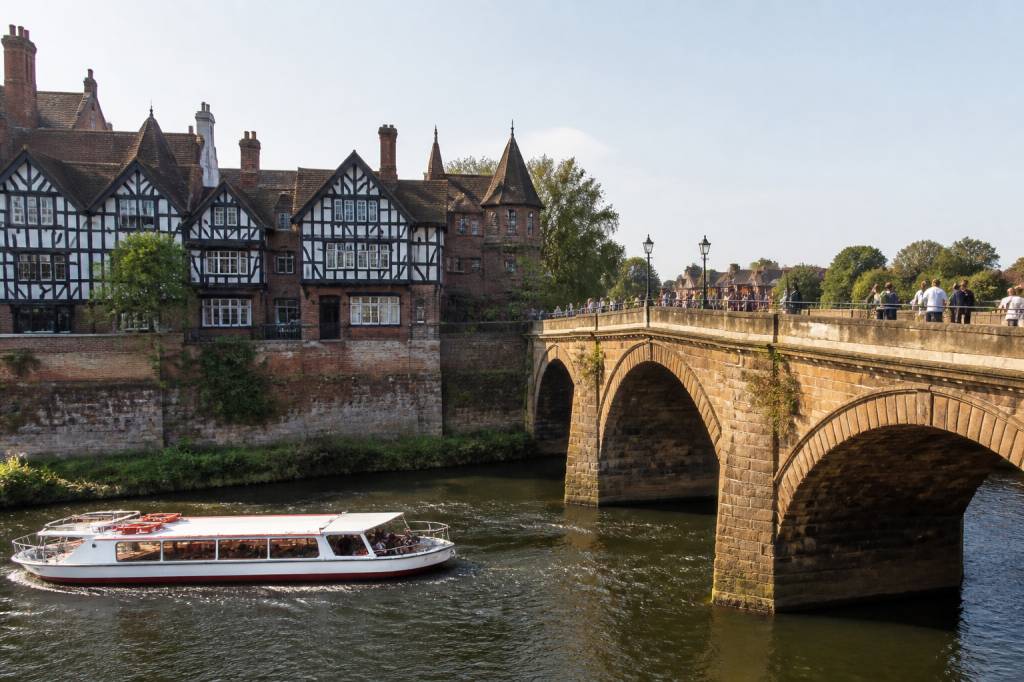
When you need a break from streets and stone, head to the River Dee. The river area gives Chester a more relaxed feel. You can walk along the banks, sit on a bench, or take a boat trip when the weather is suitable.
The Groves is one of the nicest stretches, especially in spring and summer. It is a popular place for an easy stroll, coffee, or lunch outdoors. If you have children, they will usually enjoy the riverside too, because there is space to move and something happening without the pressure of a formal attraction.
On a sunny day, this is one of the best parts of Chester. It can feel busy, but in a pleasant way. The atmosphere is friendly rather than frantic.
Enjoy Chester Zoo
Chester Zoo is one of the UK’s best-known wildlife attractions, and it draws visitors from well beyond Cheshire. It is large, well organised, and designed for a full day out. If you are travelling with children, or if you simply enjoy major zoo collections, it is an easy addition to your itinerary.
The zoo has a strong conservation focus and a wide range of habitats and species. Because of its size, planning helps. Check opening hours in advance, book tickets online if available, and wear comfortable shoes. You will do a lot of walking.
It is not a quick add-on. Give it time. That said, it is one of the clearest reasons families choose Chester as their base.
Discover the city centre and shopping streets
Even if you do not consider shopping a main travel activity, Chester makes it part of the experience. The city has a mix of independent shops, familiar high-street names, and arcaded streets that feel different from standard retail zones. Eastgate Street, Watergate Street, and Bridge Street are all worth a look.
There are also plenty of places to stop for coffee, cake, or a light lunch, which makes browsing feel less like a chore and more like part of the day. If you like bookshops, gift shops, or local produce, spend time looking beyond the main chains. The smaller places often give you better souvenirs and more personality.
Where to eat and drink
Chester has improved a lot as a food and drink destination. You can still find classic pub meals and café lunches, but there is also a growing choice of modern restaurants, independent coffee shops, and places for a more polished evening out.
For a simple day visit, you will not struggle to find lunch. Look around the Rows, the cathedral area, and the riverfront for easy options. If you want something more relaxed, a pub by the river or a café with outdoor seating can work very well on a warm day.
For dinner, the city offers a mix of British, European, and international options. Booking ahead is sensible at weekends, especially if you want a popular spot near the centre. Chester is not short of decent pubs either, and several are good for a pre-dinner drink or a low-key evening.
One practical tip: if you are staying only one night, choose your restaurant before you arrive rather than wandering around hungry at 7.30 pm. Chester is compact, but the busier places can fill up quickly.
Where to stay in Chester
Accommodation in Chester suits a range of budgets. You will find city centre hotels, boutique-style stays, chain properties, and guesthouses. If convenience matters most, stay within walking distance of the centre. That way you can leave the car behind and enjoy the city on foot.
If you want a more atmospheric stay, look for properties near the historic centre or riverside. These areas are especially handy for evening walks and dinner plans. For families, hotels with parking and larger rooms can make life much easier, particularly if you are visiting Chester Zoo.
Book early if you are visiting during race days, school holidays, or Christmas markets. Demand can rise quickly, and the best-located rooms go first.
Best times to visit
Chester works in most seasons, but the experience changes with the weather. Spring and summer are ideal for river walks, outdoor dining, and long days on the walls. Autumn can be very attractive too, especially if you enjoy cooler weather and fewer crowds. Winter brings festive lights and a cosy feel in the pubs and cafés.
If you want the city at its most relaxed, aim for a weekday outside the main holiday periods. Weekends are lively, but the centre can feel busier, especially around shopping streets and restaurant areas.
For photography, morning light is often best on the Rows and the cathedral area. Late afternoon works well near the river. Simple, but useful.
Helpful tips for first-time visitors
A few practical points can make a Chester visit smoother:
It is also worth remembering that Chester rewards slower travel. You do not need a packed schedule to enjoy it. In fact, trying to squeeze in too much can take away from what makes the city appealing in the first place.
Is Chester worth visiting for a weekend?
Yes, absolutely. Chester is one of the easiest city breaks in the North West because it offers variety without complexity. You get history, walkability, good food, and enough attractions to fill one or two days comfortably. You can also use it as a base for exploring Cheshire more widely.
It is especially good if you want a place that feels interesting but not overwhelming. There is enough to do, but not so much that you spend the whole trip checking a map. You can arrive, explore, eat well, and leave feeling you have actually seen somewhere with its own identity.
If your ideal break includes a mix of heritage, relaxed walking, and practical sightseeing, Chester is an easy yes. And if you leave wishing you had one more day, that is usually a good sign.